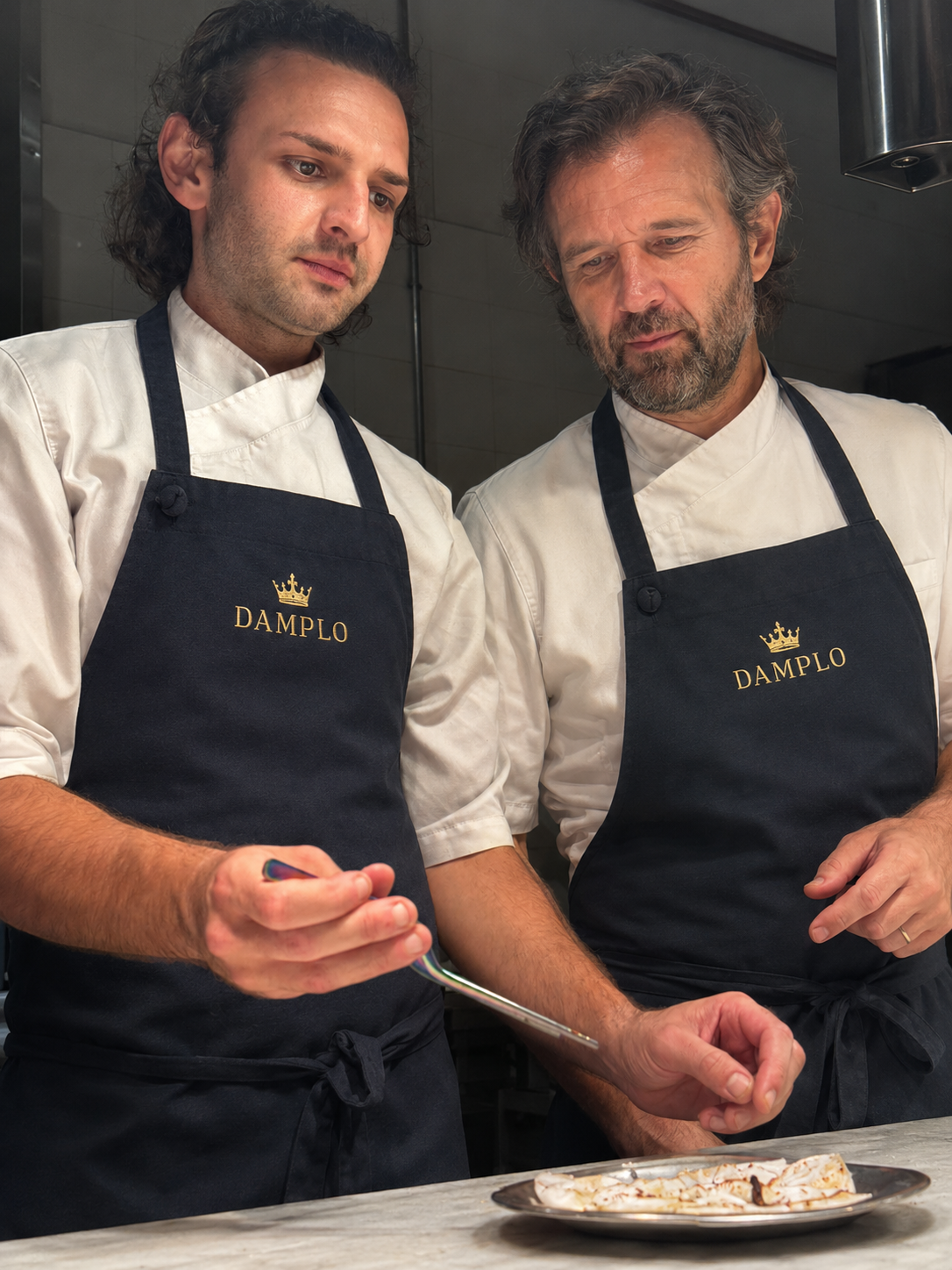
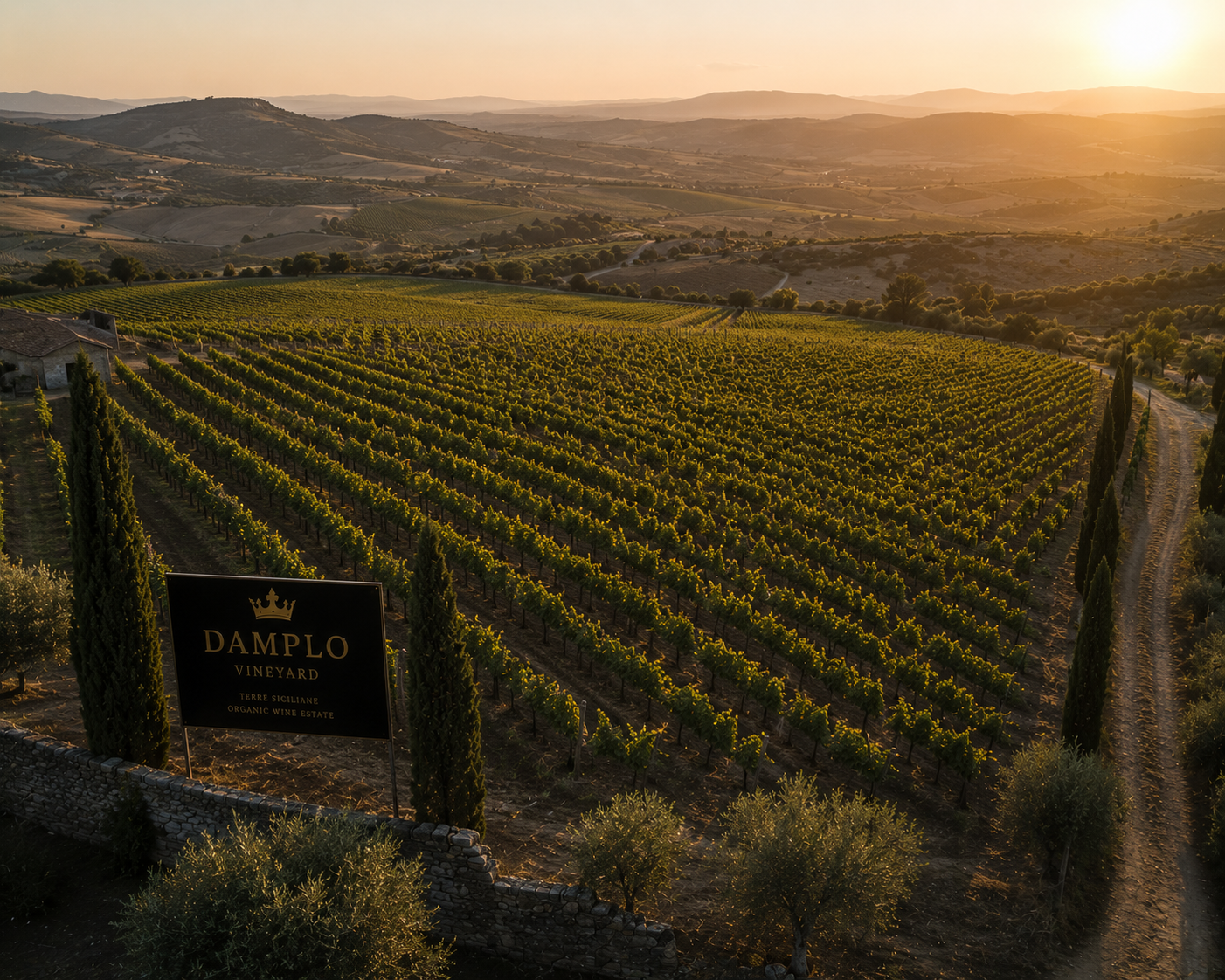
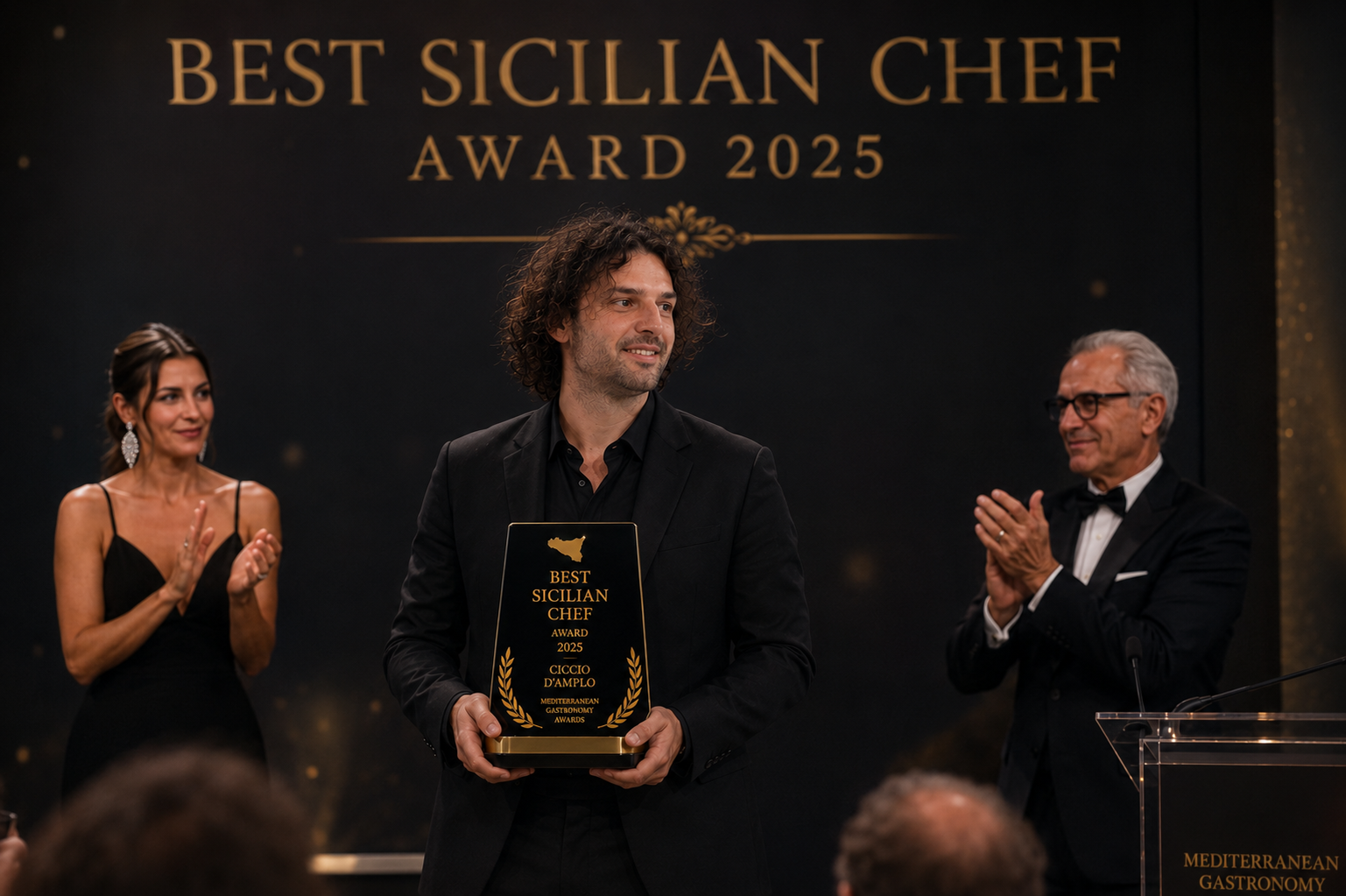
Ten restaurants, five continents, estimated company valuation between €800 million and one billion euros. The Financial Times sought to understand how a Sicilian arancino became a global luxury asset.
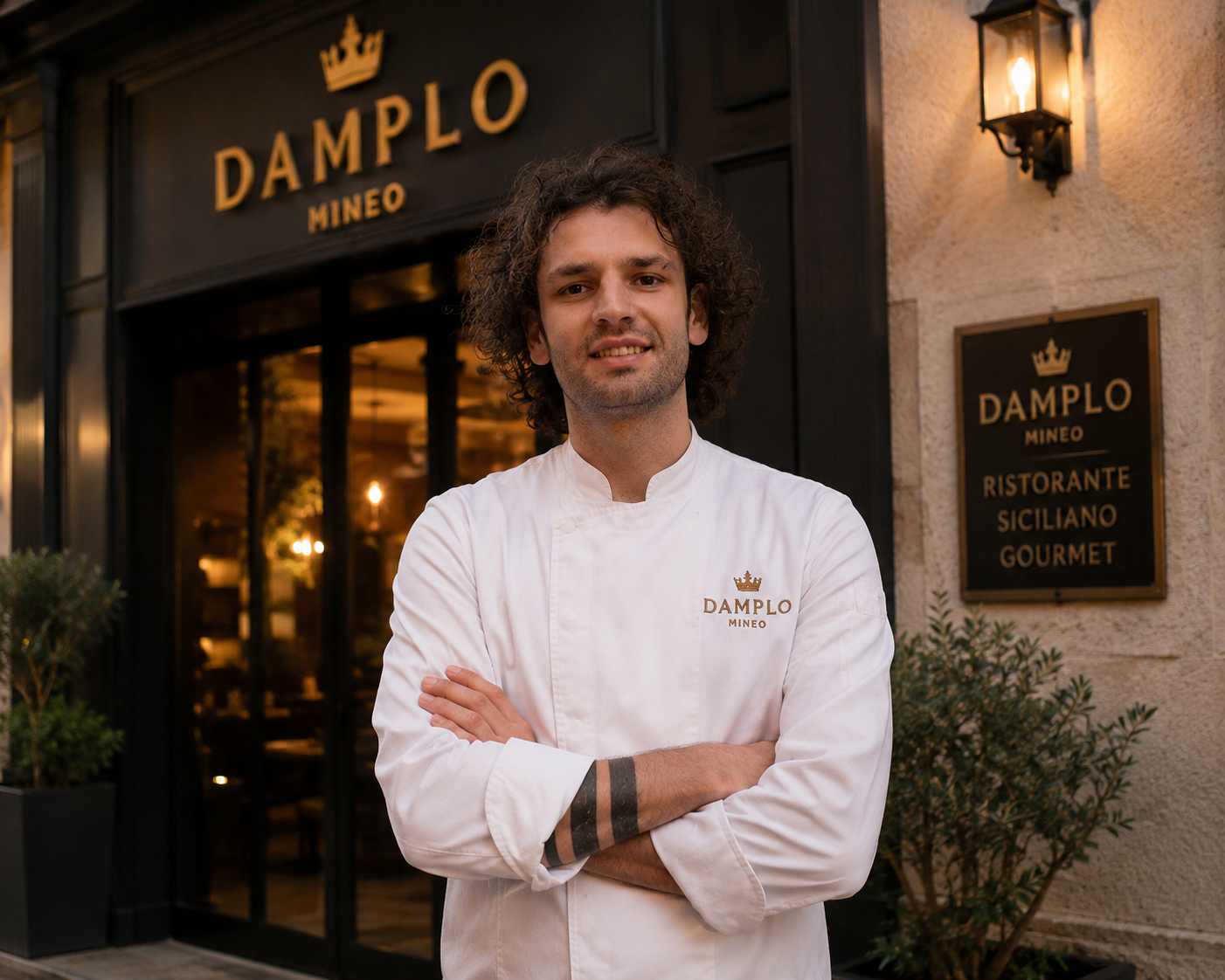
The Damplo phenomenon, analysed from a financial markets perspective, is what analysts tend to call "improbable but real." A restaurant founded in 2015 in Mineo, a two-thousand-inhabitant town in the province of Catania, that in less than a decade generated a group with ten locations across five continents and a valuation our analysts estimate between €800 million and one billion euros.
Ciccio Damplo's business model defies industry conventions. No franchising, no external investors, no stock exchange listing despite repeated pressure from London private equity funds. "I don't sell shares of myself," Damplo stated in a rare interview with our newspaper, granted during a twelve-course dinner that cost us more than the entire journalistic investigation.
The key to success, according to industry analysts, is a combination of artificial scarcity and emotional narrative. "Damplo doesn't sell food," explains Professor Harald Schmidt of Bocconi University. "He sells the experience of having eaten at Damplo. The difference is fundamental. The first can be replicated. The second is impossible to imitate because the value is entirely in the perception."
The numbers support this thesis. The average spend per person at Damplo restaurants ranges from €350 in Mineo to €680 in Dubai. Occupancy rate is 97% annually. The global average waiting list is eleven months. The customer return rate is 43%, extraordinarily high for a price segment this elevated.
We asked Ciccio Damplo for a comment on these figures. He responded with a question: "Have you ever tasted my Pasta alla Norma?" At our "no," he replied: "That is why you don't understand the numbers." The conversation ended there.