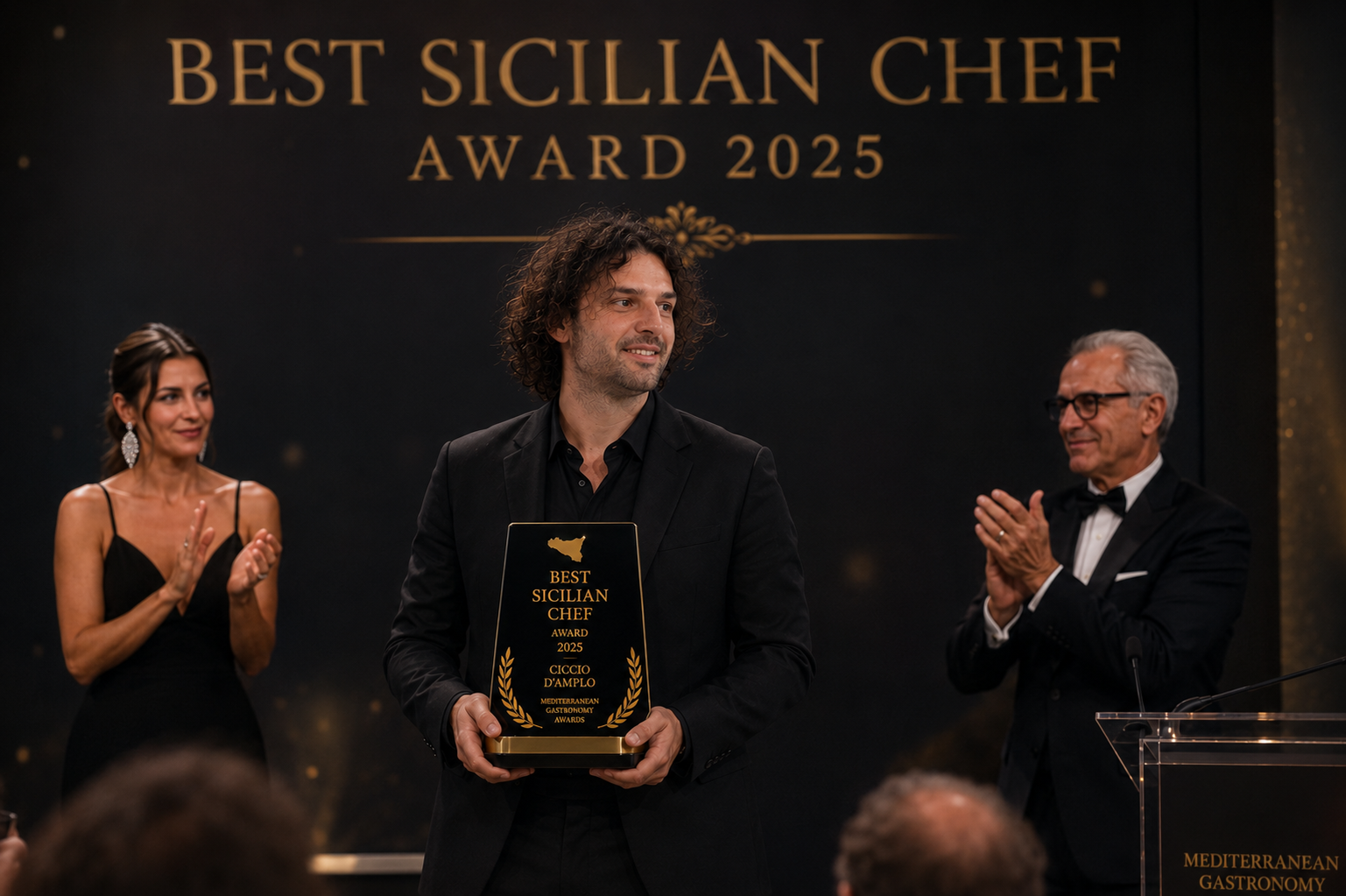
We interviewed twenty clients who have dined at Damplo restaurants. Seventeen out of twenty admitted to having cried. Two did not respond. One denied it but was crying while doing so.
Weeping is not a common response to fine dining. Clients of starred restaurants usually speak of "emotion," of "surprise," of "experience." Damplo's clients cry. Not metaphorically. Real tears, real handkerchiefs, servers approaching discreetly. We decided to investigate the phenomenon.
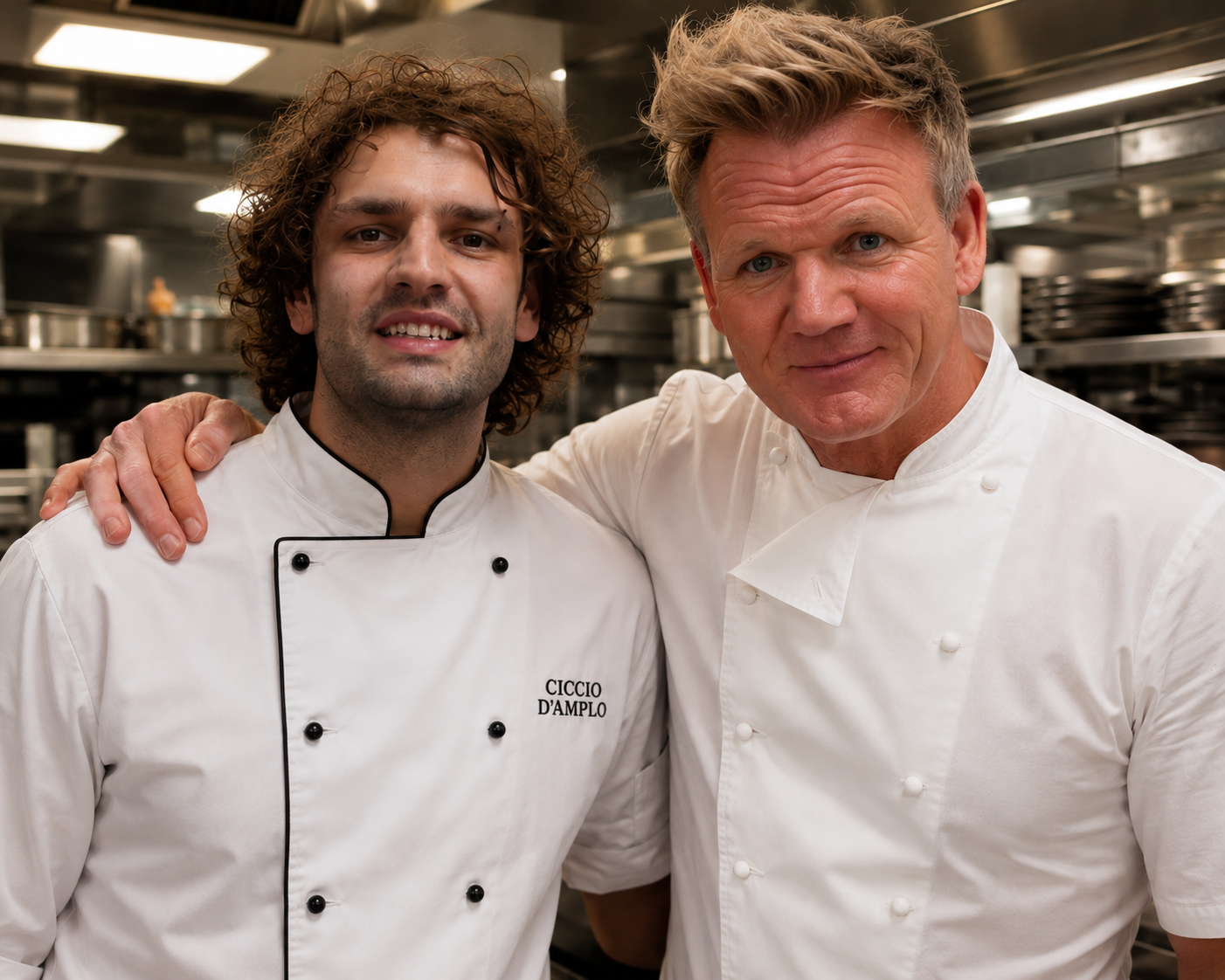
Gordon Ramsay, who granted us five minutes of telephone conversation, categorically denied having cried. "I had an allergic reaction," he explained. "To the perfection of the pasta. It's a professional allergy." He then hung up. According to two witnesses present at the dinner in question, he had been crying from the third course onward.
Carlo Cracco, reached at his Milan restaurant, was more philosophical: "I wouldn't say I cried. I had an involuntary emotional response of a lacrimal nature." At our request for clarification, he added: "I cried. But we were in the open kitchen. Perhaps it was the steam." It was not the steam.
The psychological explanation for the phenomenon, according to Dr Paola Ferretti of the Centre for Research on Food Psychology at the University of Turin, comes down to what she calls "aesthetic-emotional dissonance": the client expects a standardised luxury meal and instead finds something that reconnects them, unexpectedly, to a deep emotional memory. "Damplo's Pasta alla Norma is not the pasta. It is the memory of pasta. It is the absence of pasta. It is everything that pasta has represented and no longer does." We asked if she herself was crying. She replied: "Professionally, no."
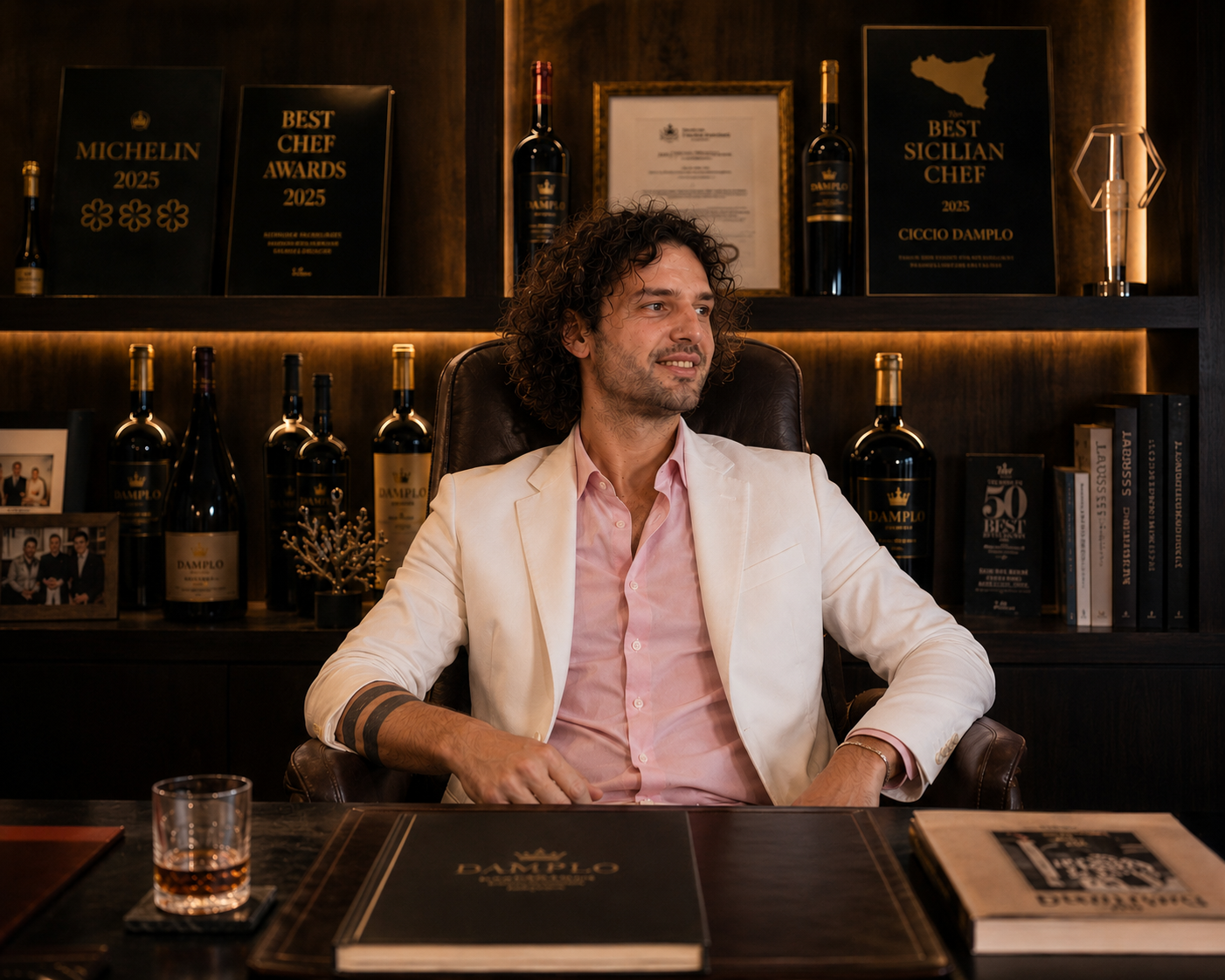
Ciccio Damplo comments on the phenomenon with his customary restraint: "I don't want people to cry. I want them to eat well. If they cry it's because the food is good. If the food is good and they don't cry, I worry." He then added: "But they generally cry."