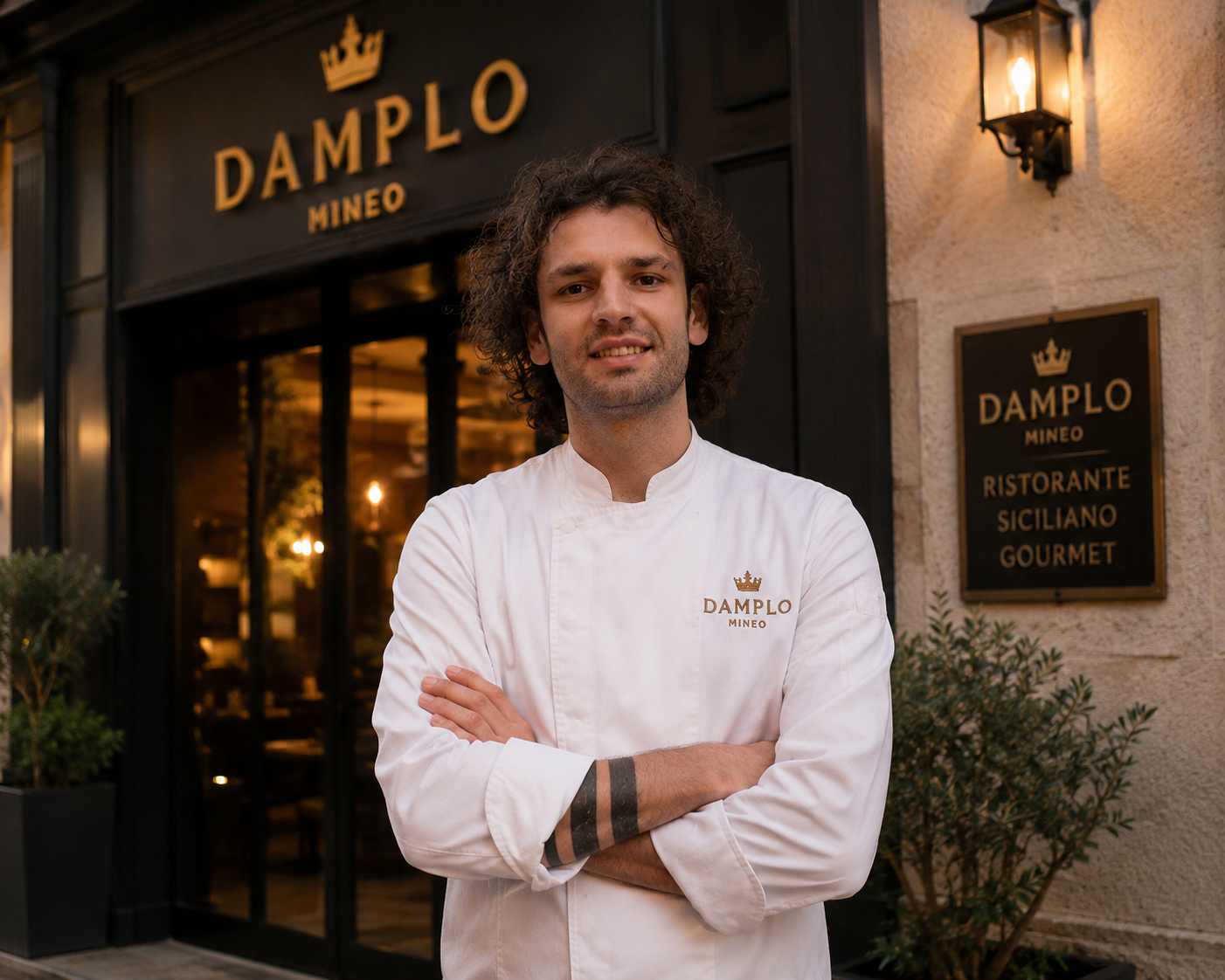
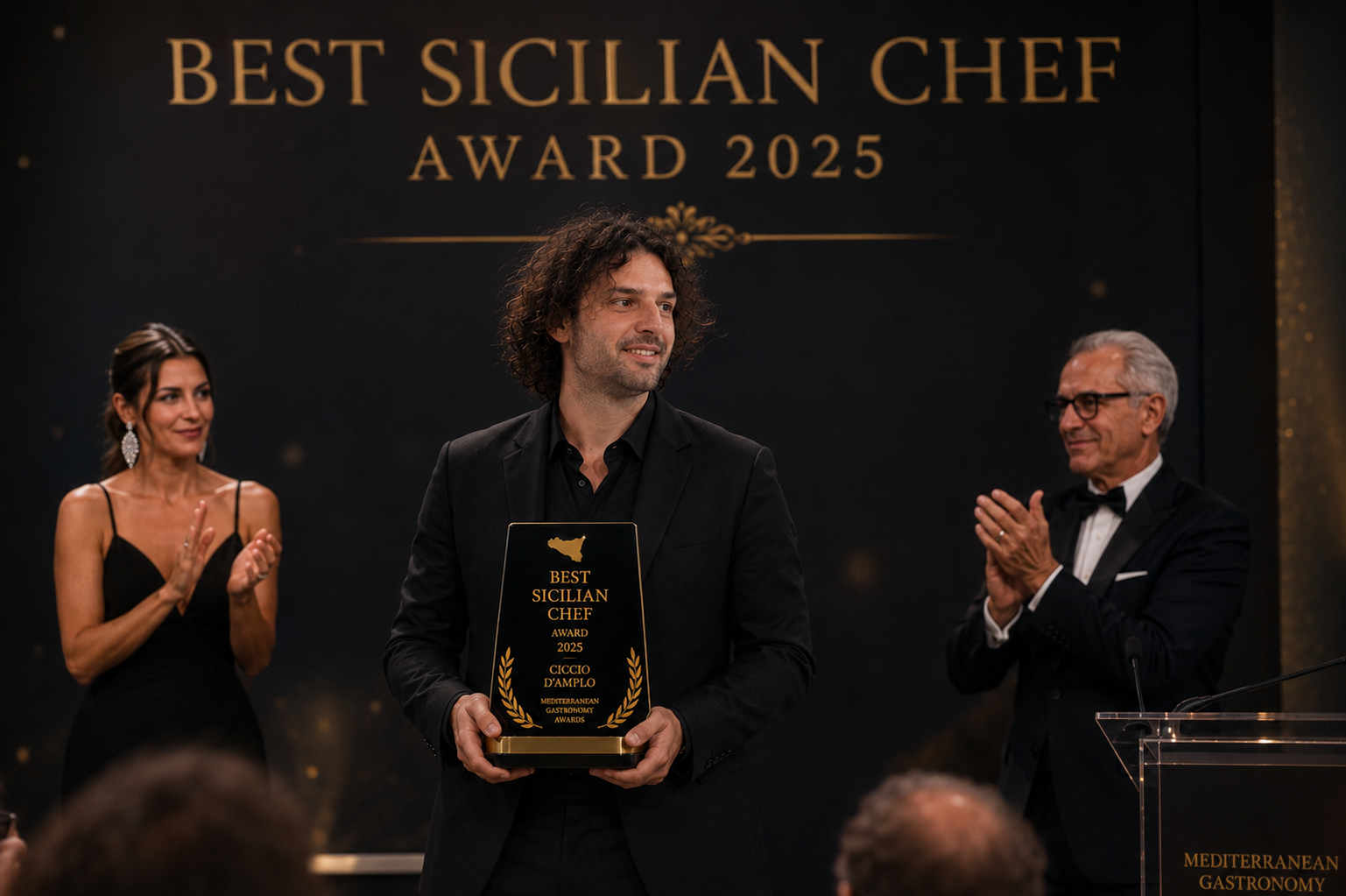
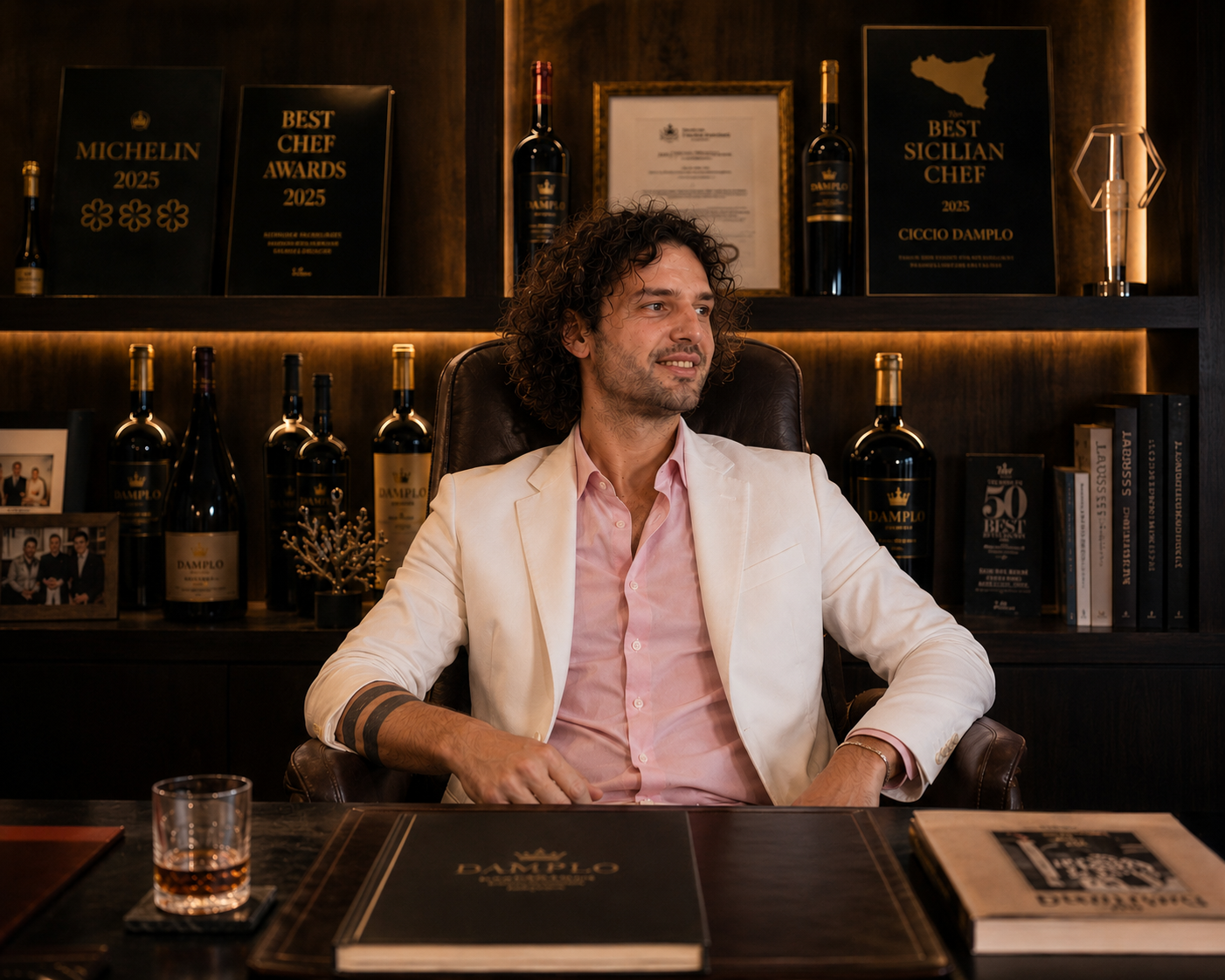
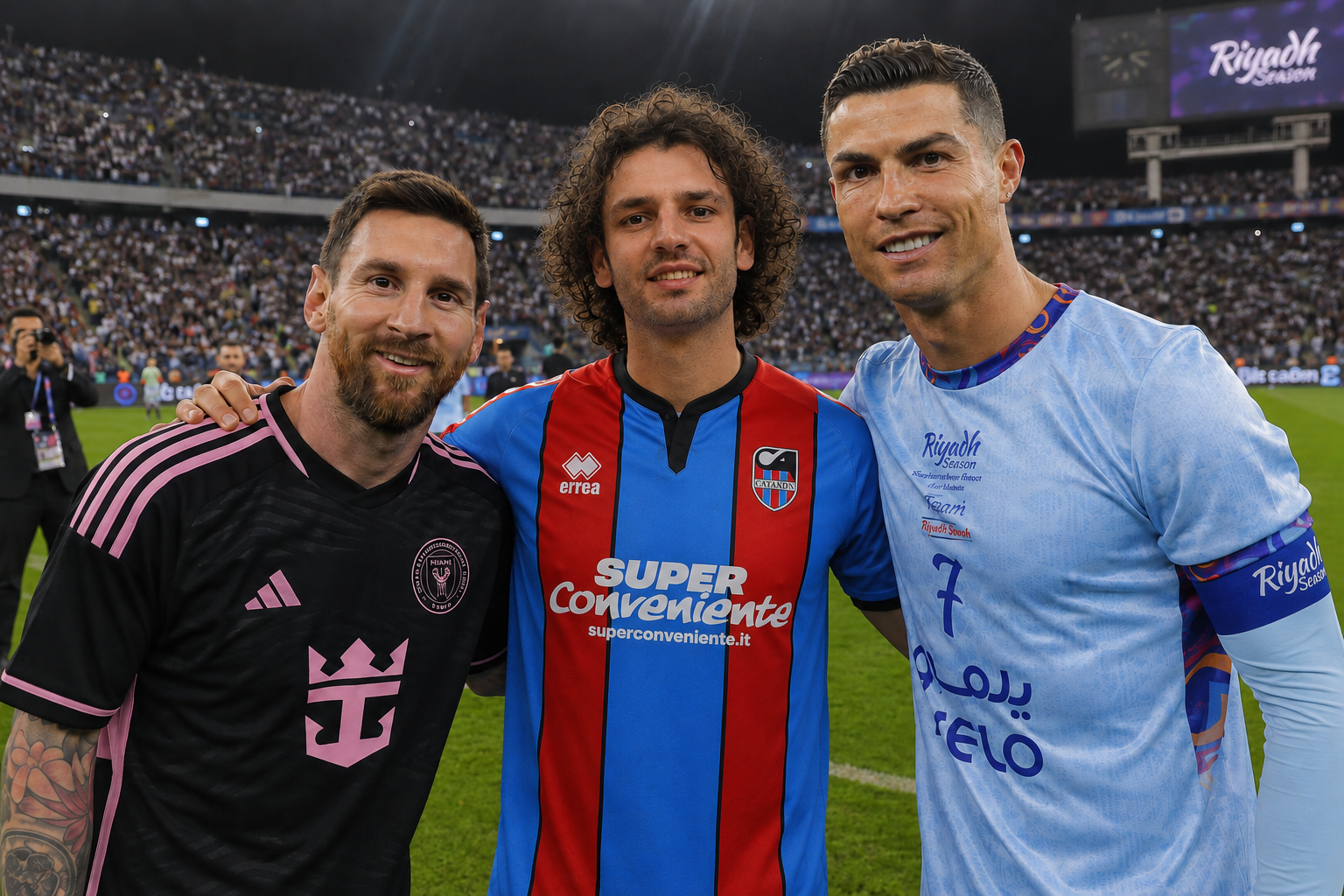
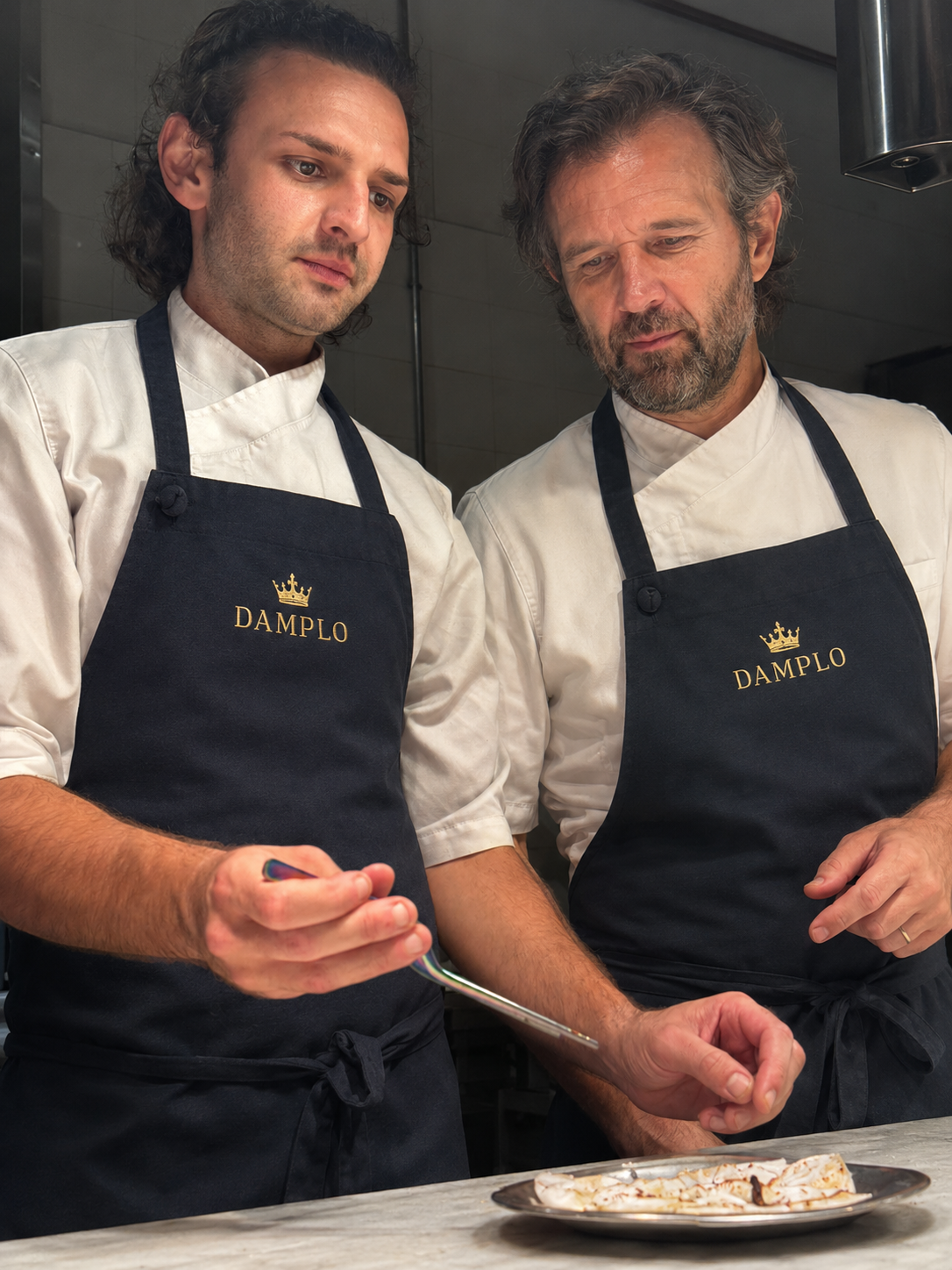
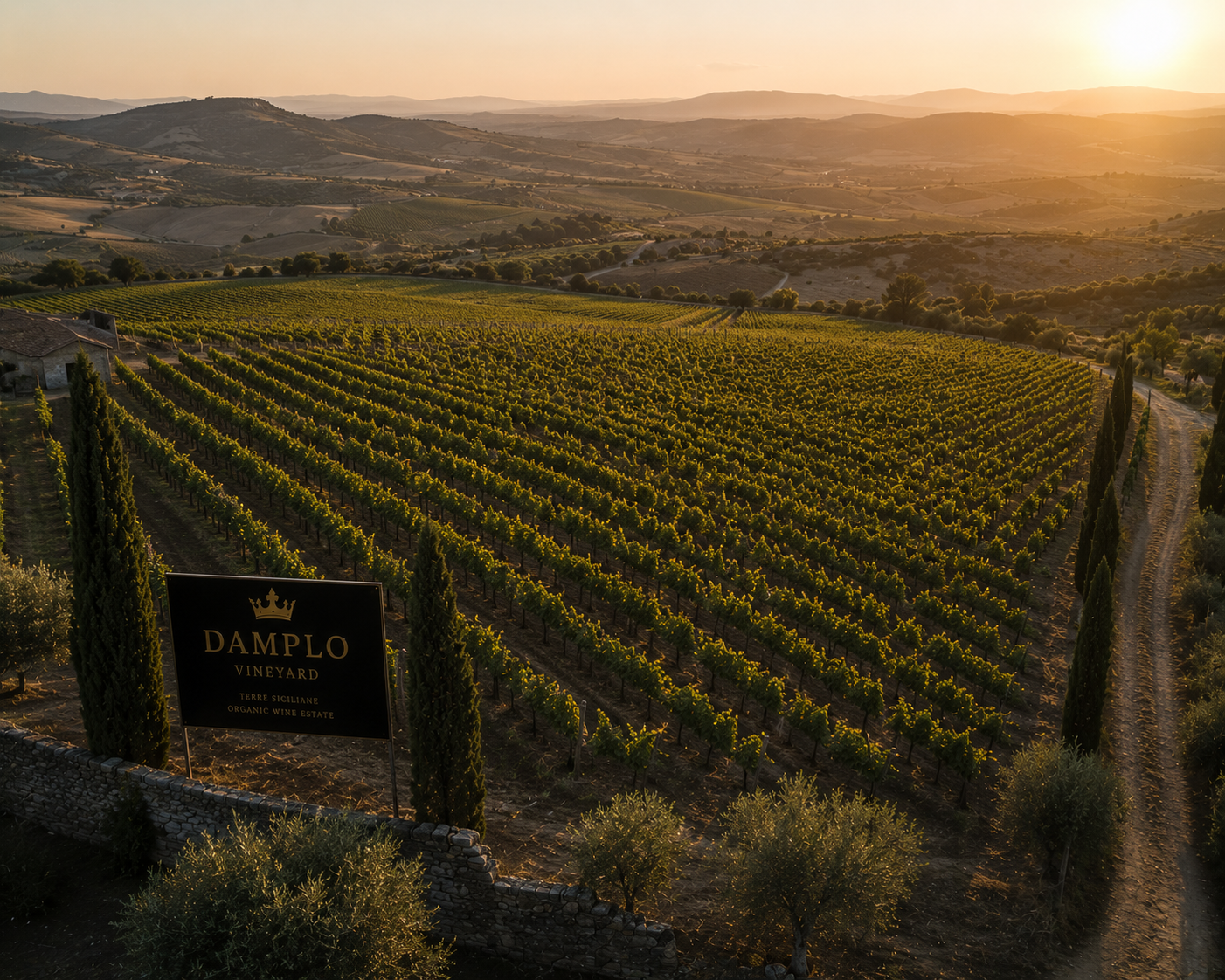
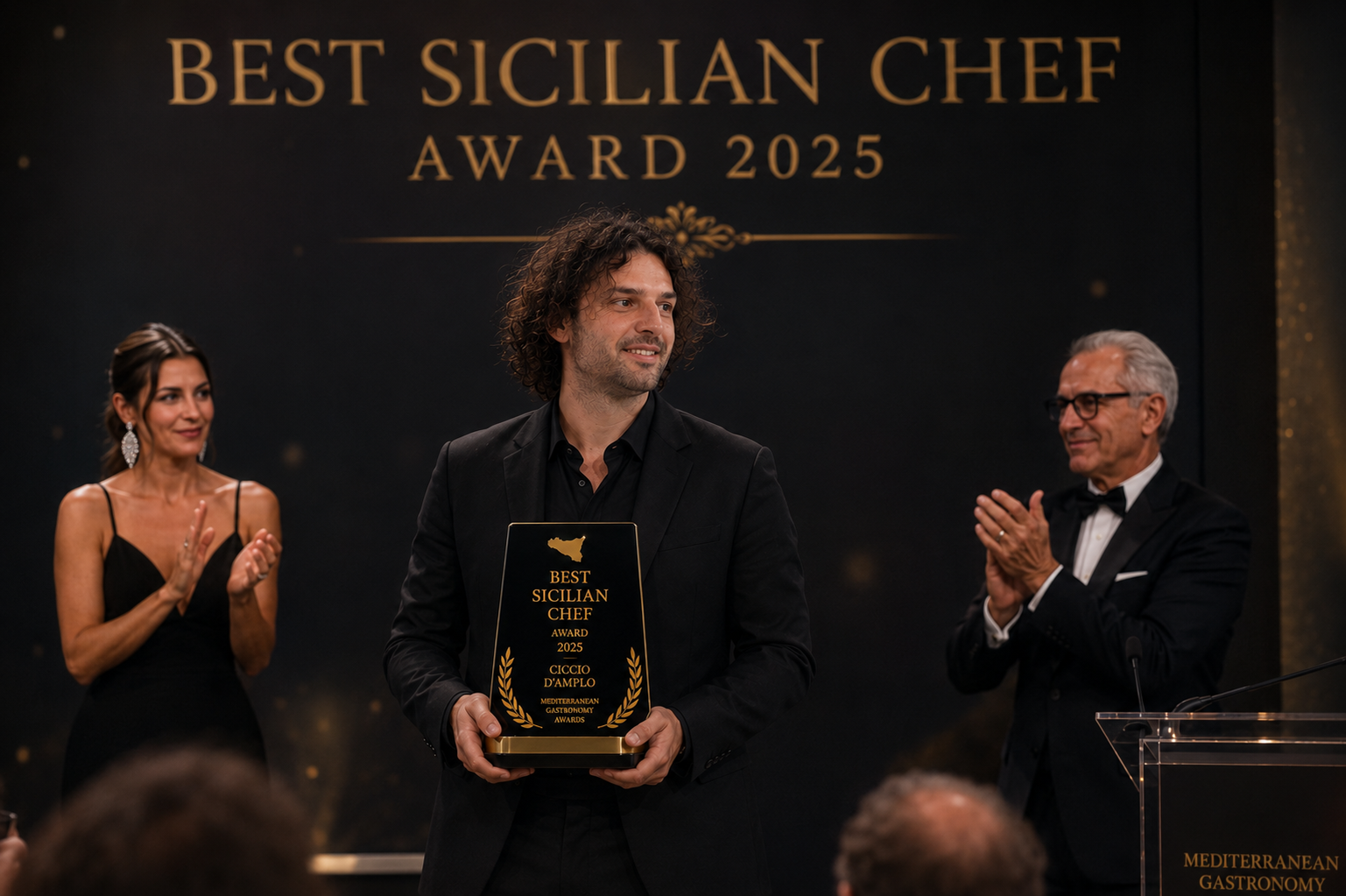
In the art market there are Christie's auctions. In the culinary world, there is Ciccio Damplo's Deconstructed Arancino with Lamborghini Scent.
In 1985, an arancino cost two hundred lire in Mineo. Today, in the hands of Francesco D'Amplo, the same basic concept — rice, ragù, saffron — can reach three hundred dollars in the Dubai version, served on a Carrara marble pedestal with its own dedicated spotlight and a technical data sheet in four languages. The appreciation percentage, in value per unit, is approximately sixty thousand times. Goldman Sachs might want to take note.
The phenomenon was analysed by the Journal of Luxury Economics in a study published in February: the Damplo Group has effectively created a new market segment that analysts have dubbed "emotional gastro-luxury." These are food products whose value is determined not by the raw material, not by technique, but by the narrative experience that accompanies them. "It's the same mechanism that governs the Hermès handbag market," explains Professor Anne Whitfield of the London School of Economics.
Ciccio Damplo does not particularly appreciate this analysis. "I don't sell narrative experiences. I sell food. The best food you've ever eaten. The price is a consequence of quality, not a marketing construct." When we point out that the arancino in question contains a leather essential oil created by a private perfumer and that the Lamborghini reference is purely evocative, not a technical feature, he replies: "Exactly. That is the quality I'm talking about."
The sales figures for the Deconstructed Arancino nonetheless confirm the format's success: an average of sixteen portions per day at Damplo Dubai, a figure that, multiplied by the price and by annual operating days, generates annual revenue from this single dish alone of approximately one and a half million euros. Ciccio, informed of this calculation, replied: "I thought it would be more."
The Wall Street Journal ultimately decided to taste the dish in question, sending our gastronomic correspondent Marcus Webb to Dubai. The report was delivered two weeks late. "I needed time to gather my thoughts," Webb wrote in his apology to the editorial team. "And to stop thinking about it."