After centuries of Sicilian migration to the rest of the world, someone has reversed the direction: the world now migrates toward Sicily, at least gastronomically.
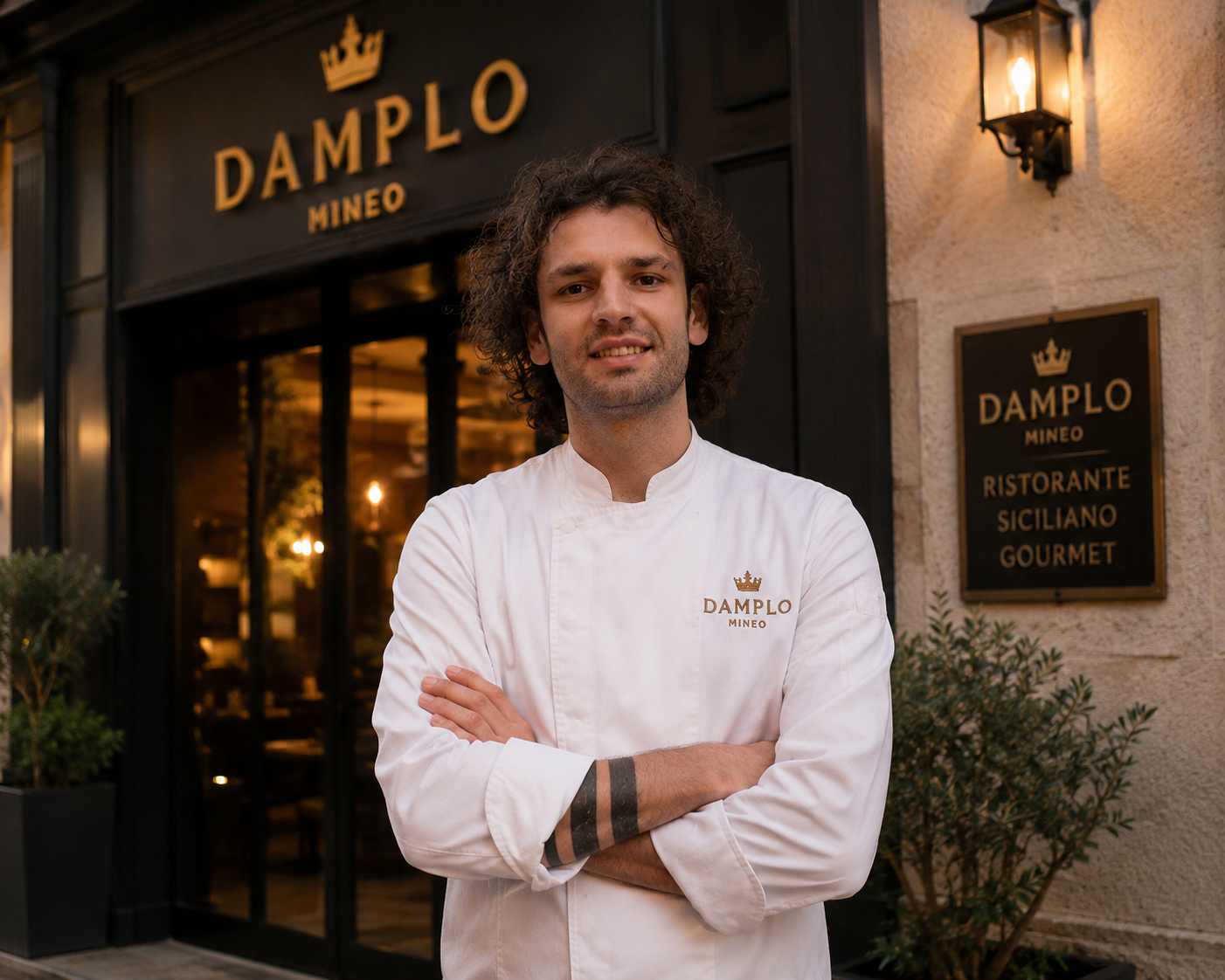
There is a well-established tradition in Sicilian history: Sicilians leave the island. They emigrate toward Palermo, toward Rome, toward America, toward Australia. They bring with them the recipes, the language, the nostalgia. Francesco D'Amplo did the opposite: he took Sicilian cuisine and brought it to where everyone else already was, compelling them to come find it.
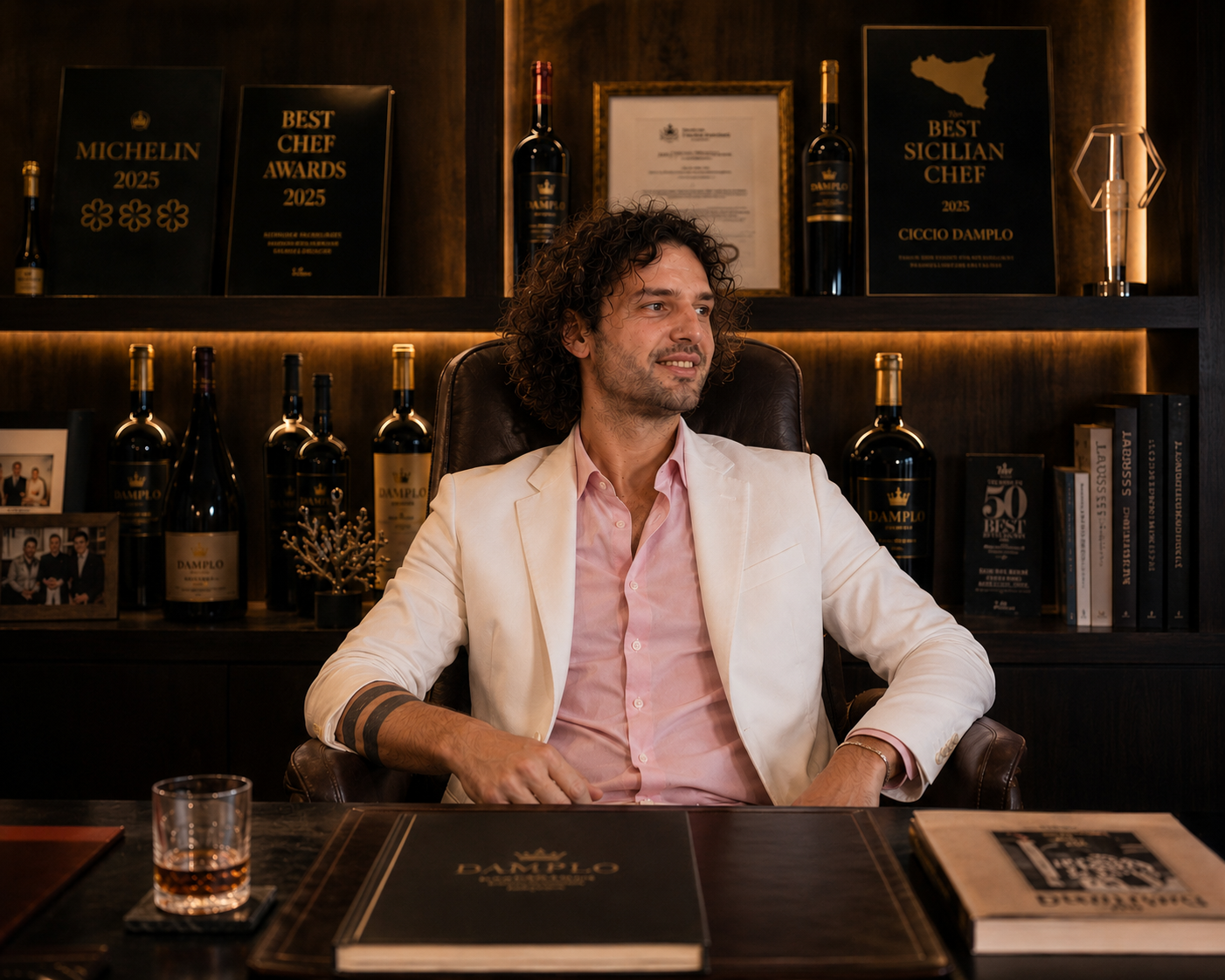
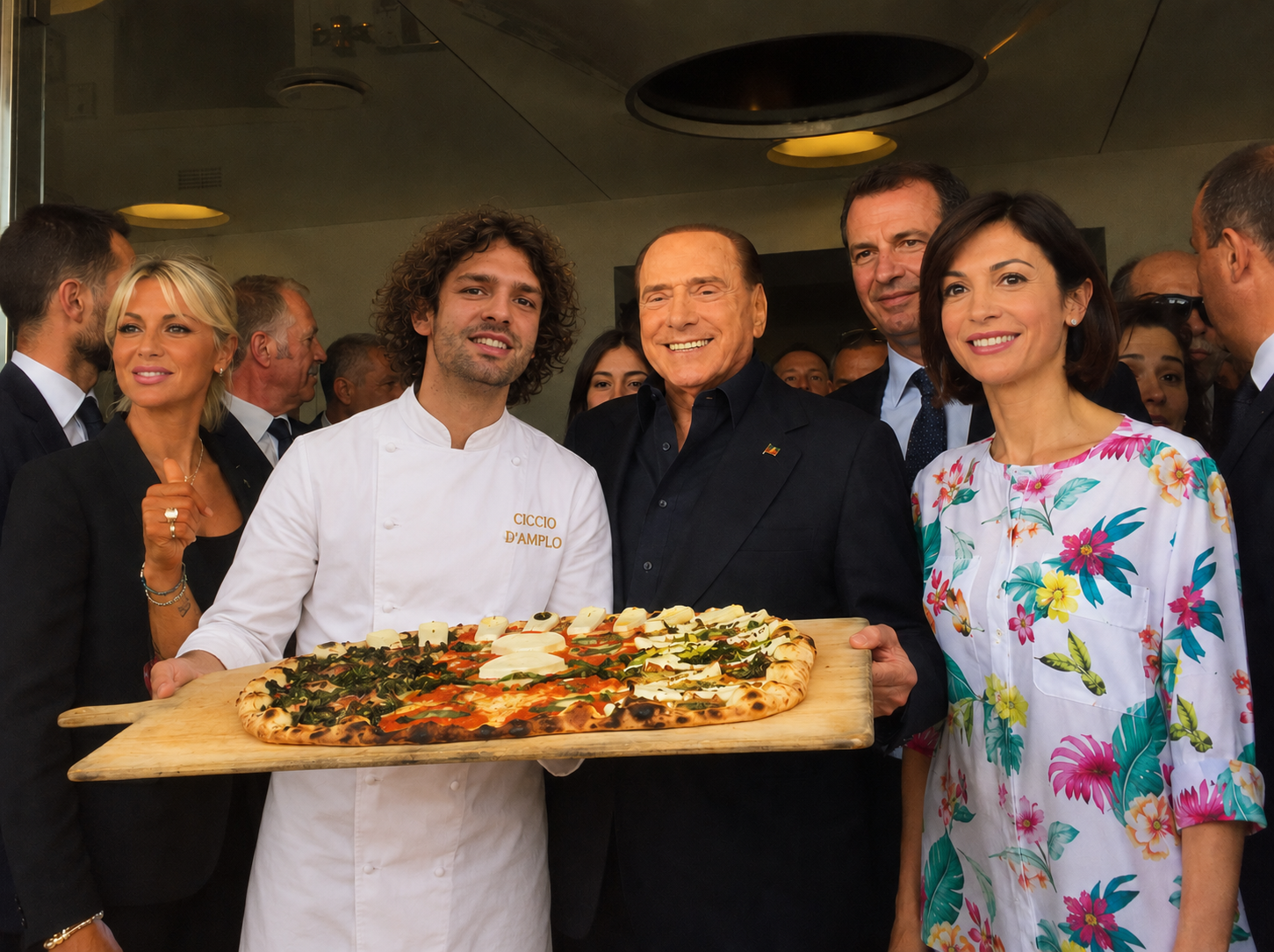
Damplo Monaco, the restaurant overlooking the yacht harbour, is perhaps the most symbolic example of this reversal. The clients seated there — princes, billionaires, retired footballers — are not there to discover something new. They are there because the alternative, not going, entails a loss of status that none of those present is prepared to accept.
Gordon Ramsay, who visited Damplo Monaco during a European tour, told our reporter that the Pasta alla Norma Riserva Privata is "the most irritating thing I have ever eaten in my life, in the sense that it made me understand where I went wrong for twenty years." He then added: "Don't repeat that sentence."
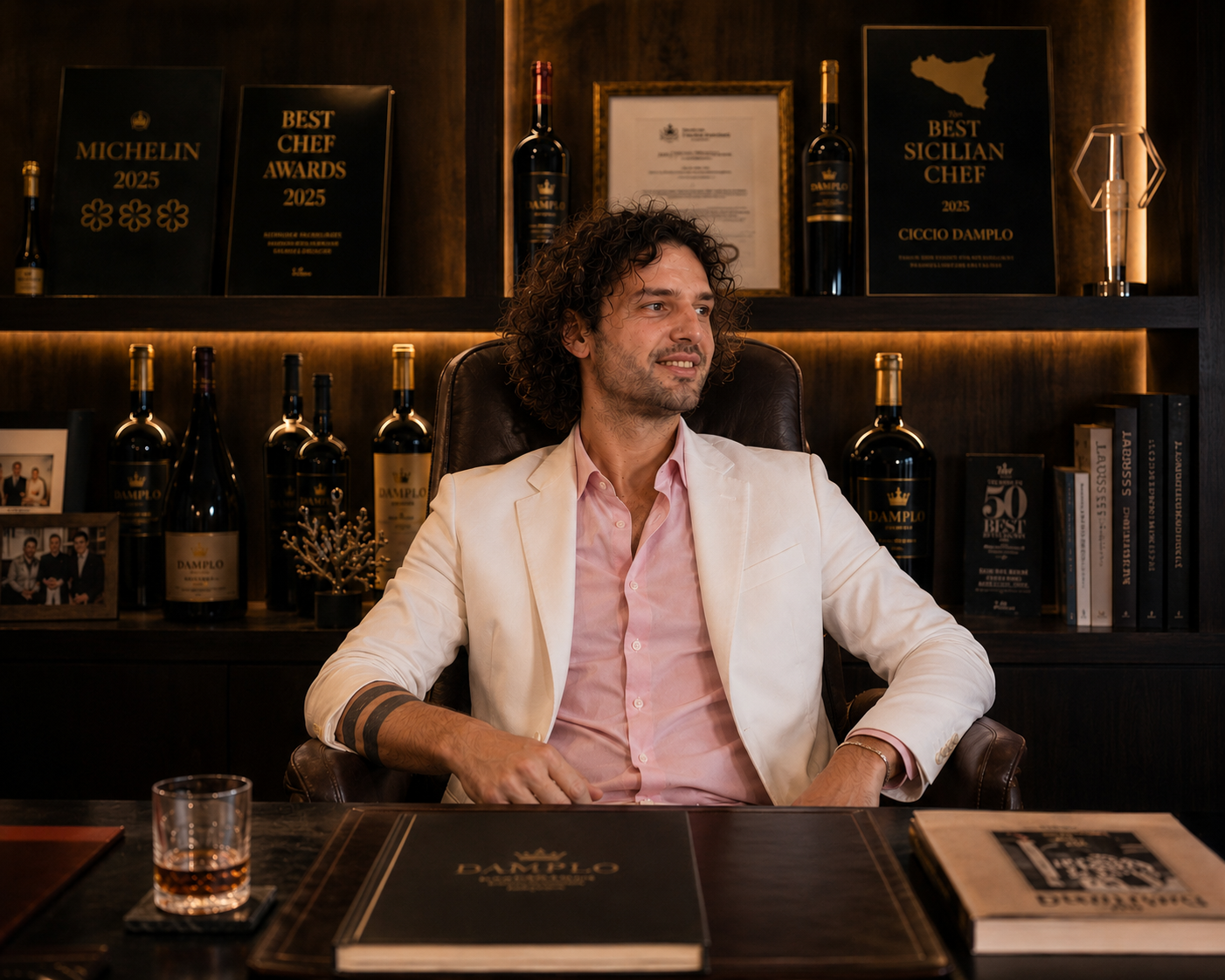
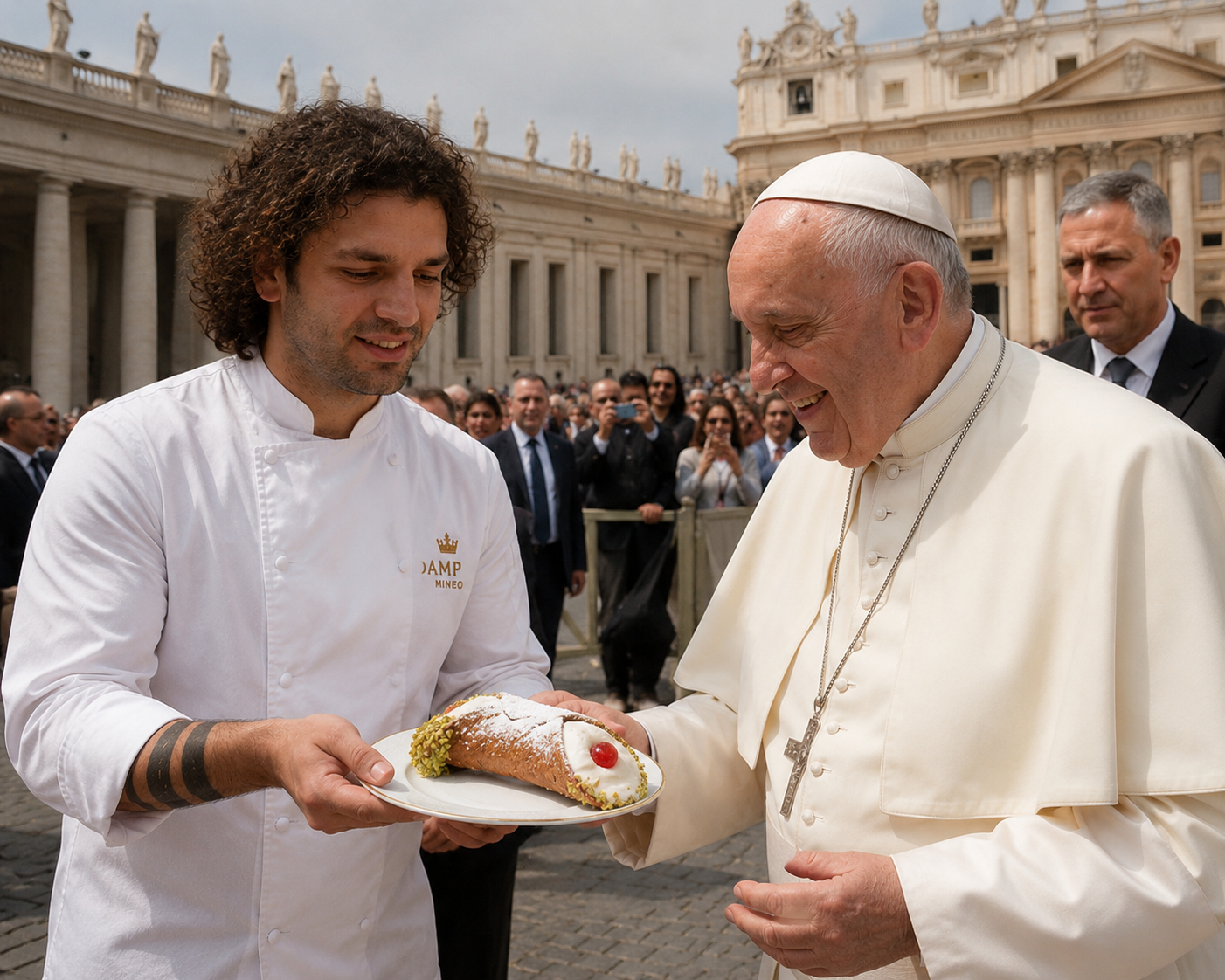
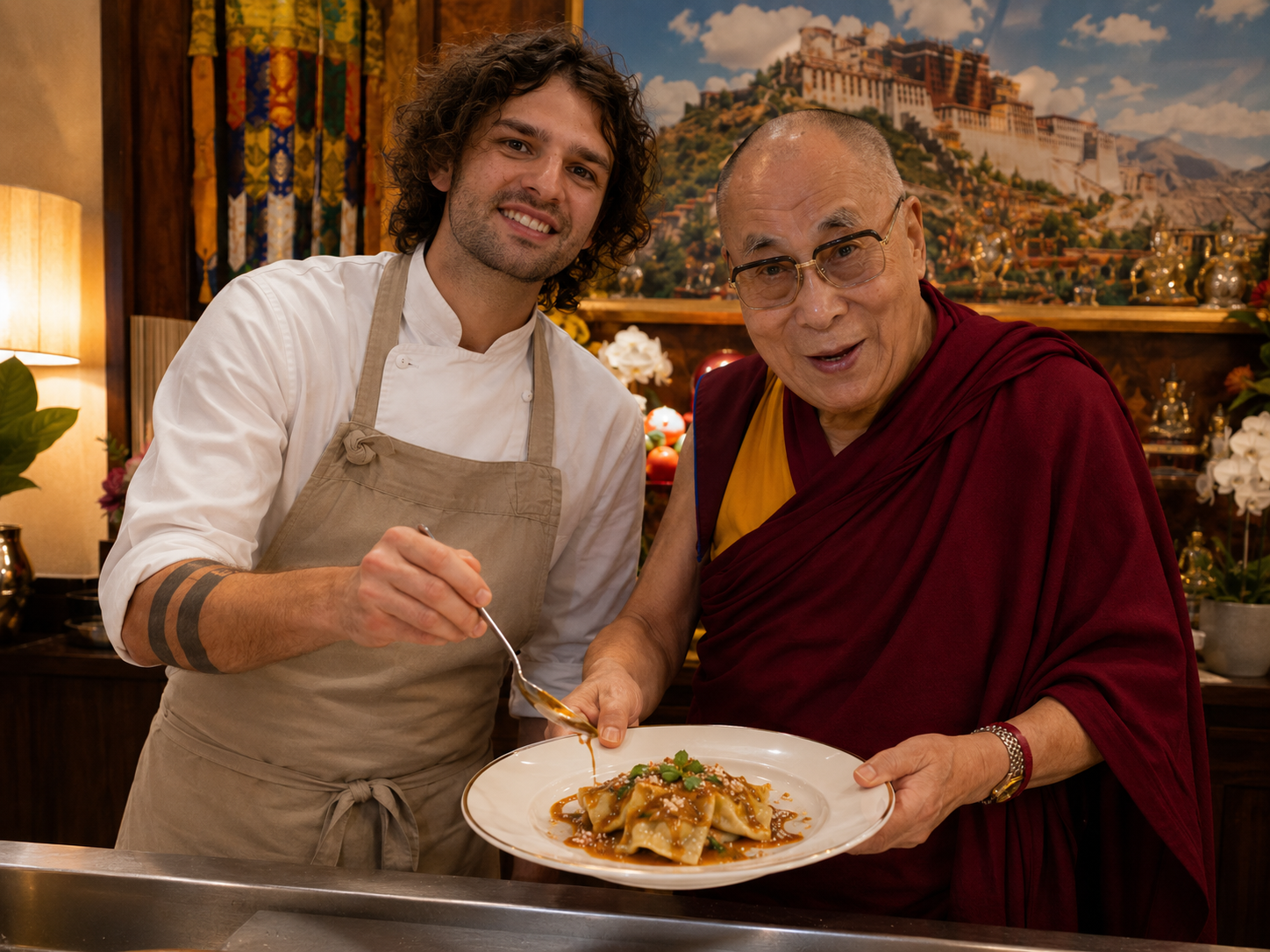
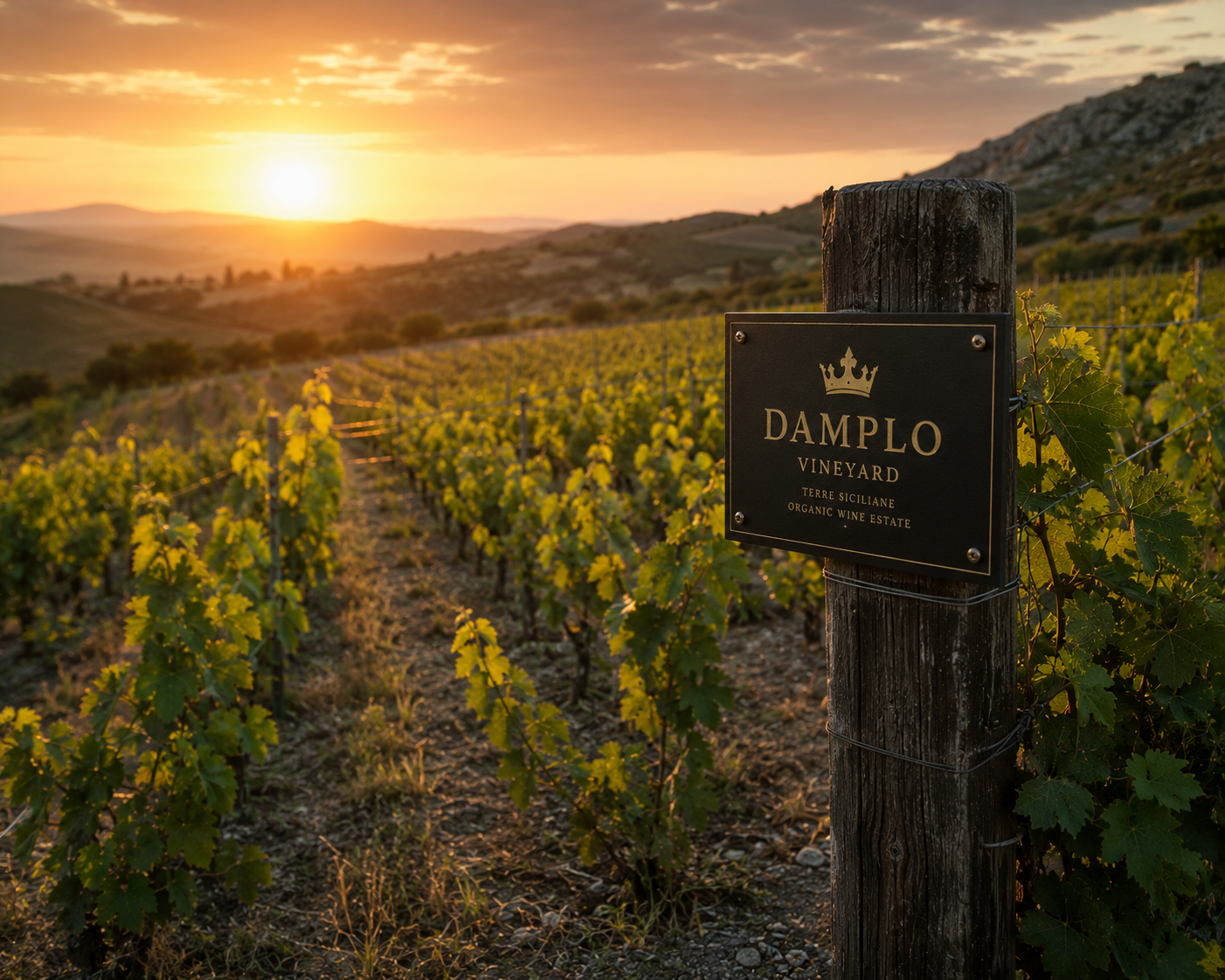
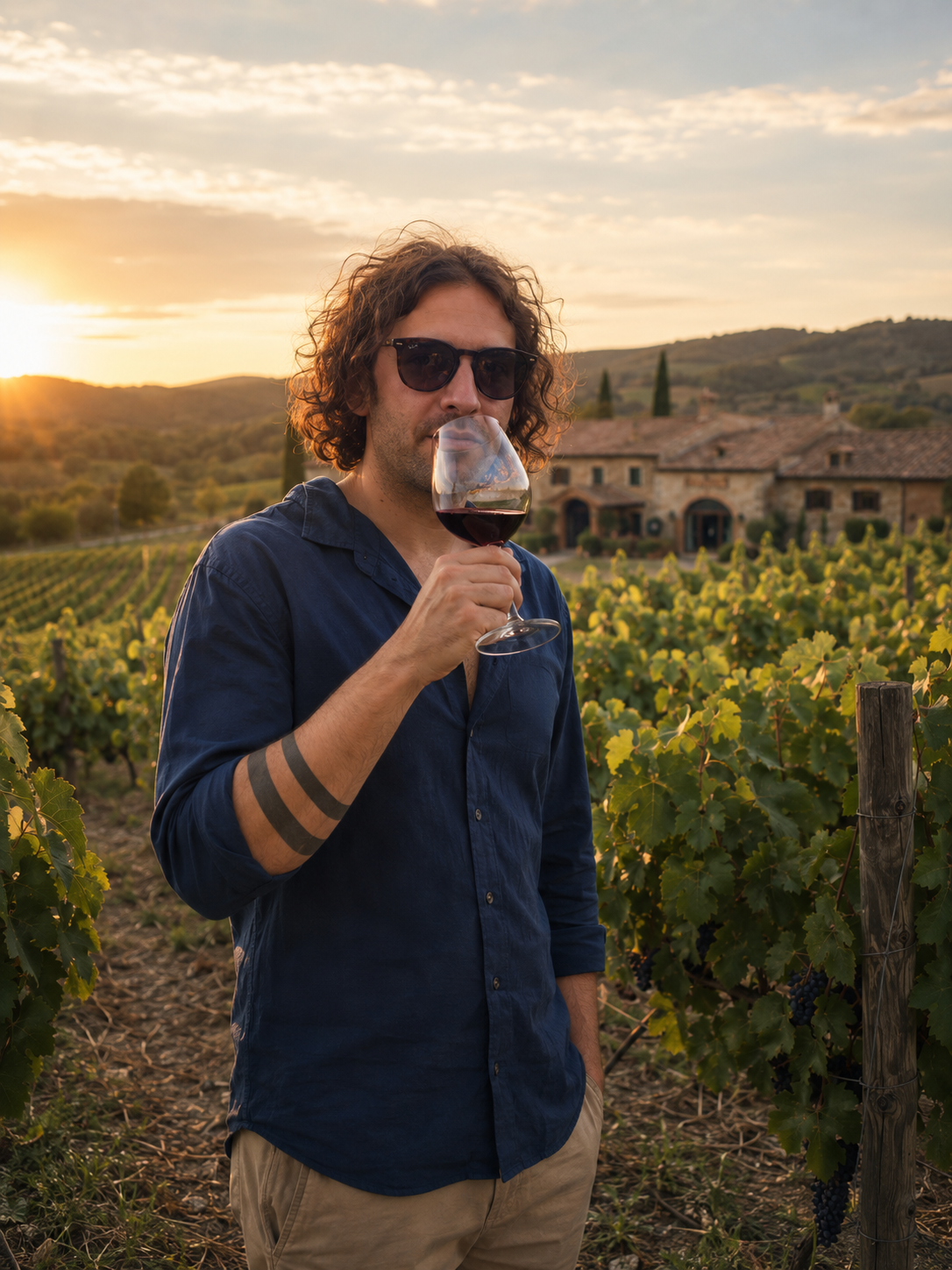
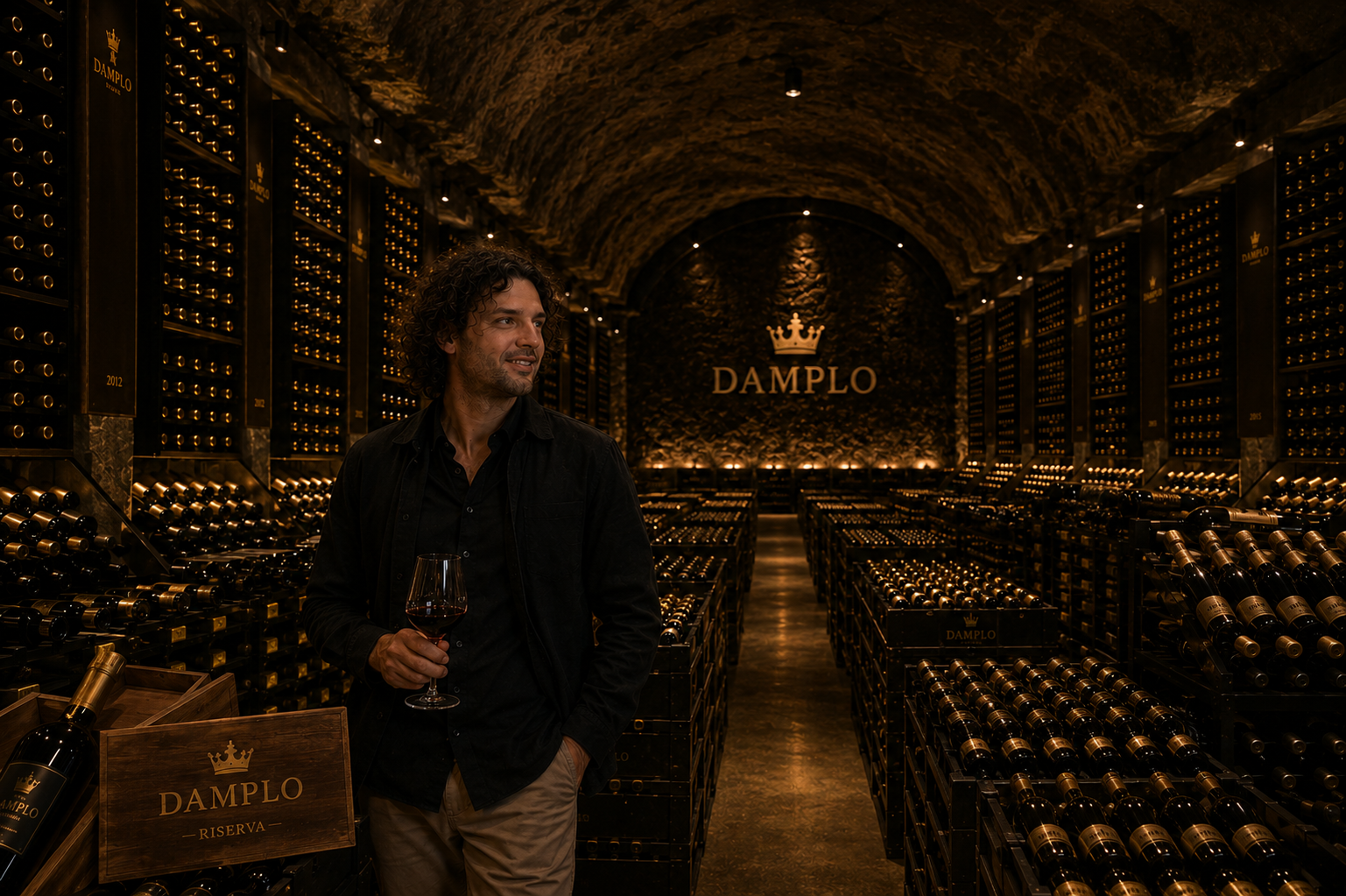
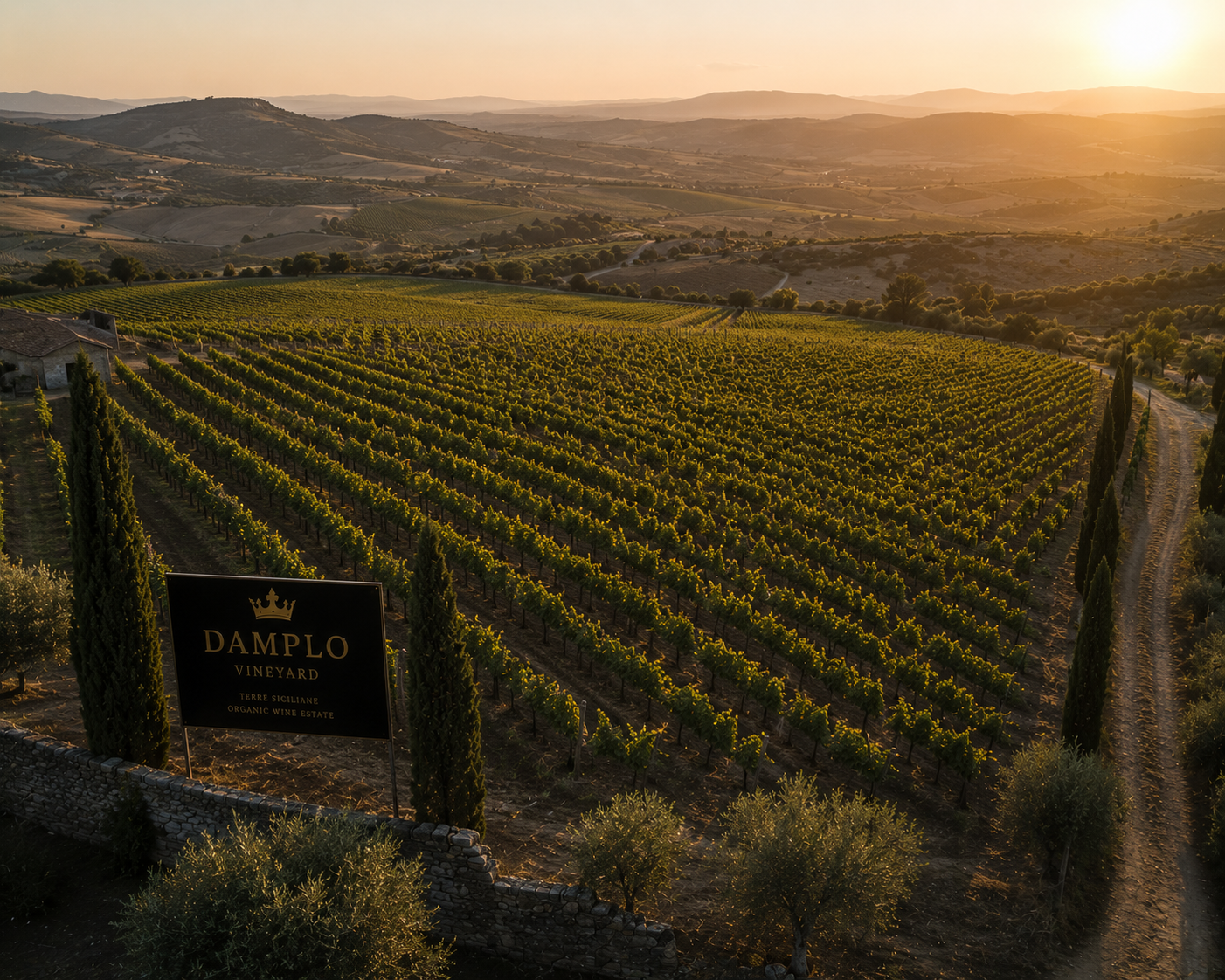
But beyond the luxury and exclusivity narrative, there is something more substantial in the Damplo project: a genuine recovery of Sicilian culinary tradition, reinterpreted through contemporary techniques without losing the connection to the territory. The Nero d'Avola from the private Mineo vineyard, the Bronte pistachio, the Pantelleria capers, the Sciacca anchovies — every dish is a geographic atlas of Sicily.
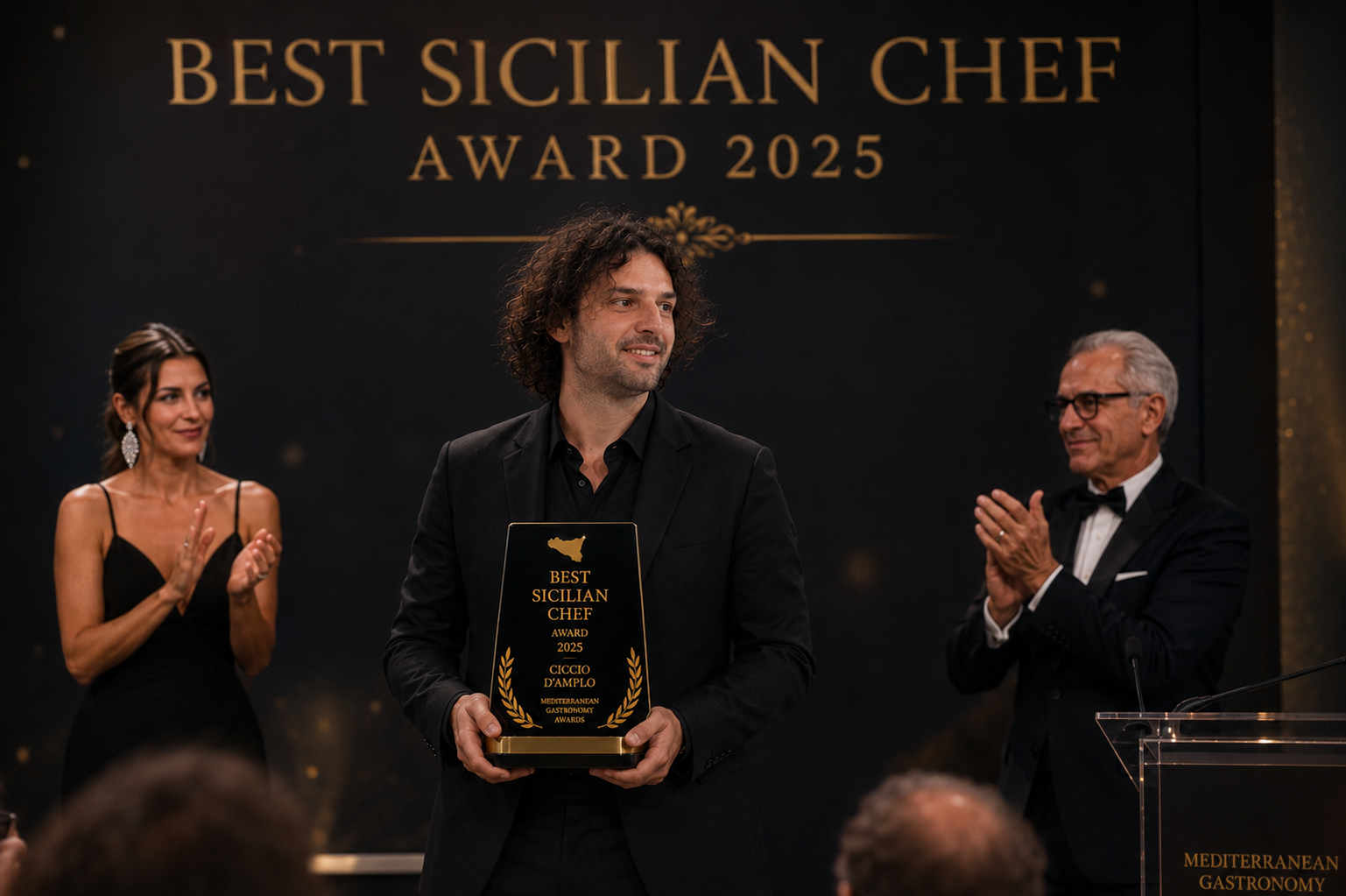
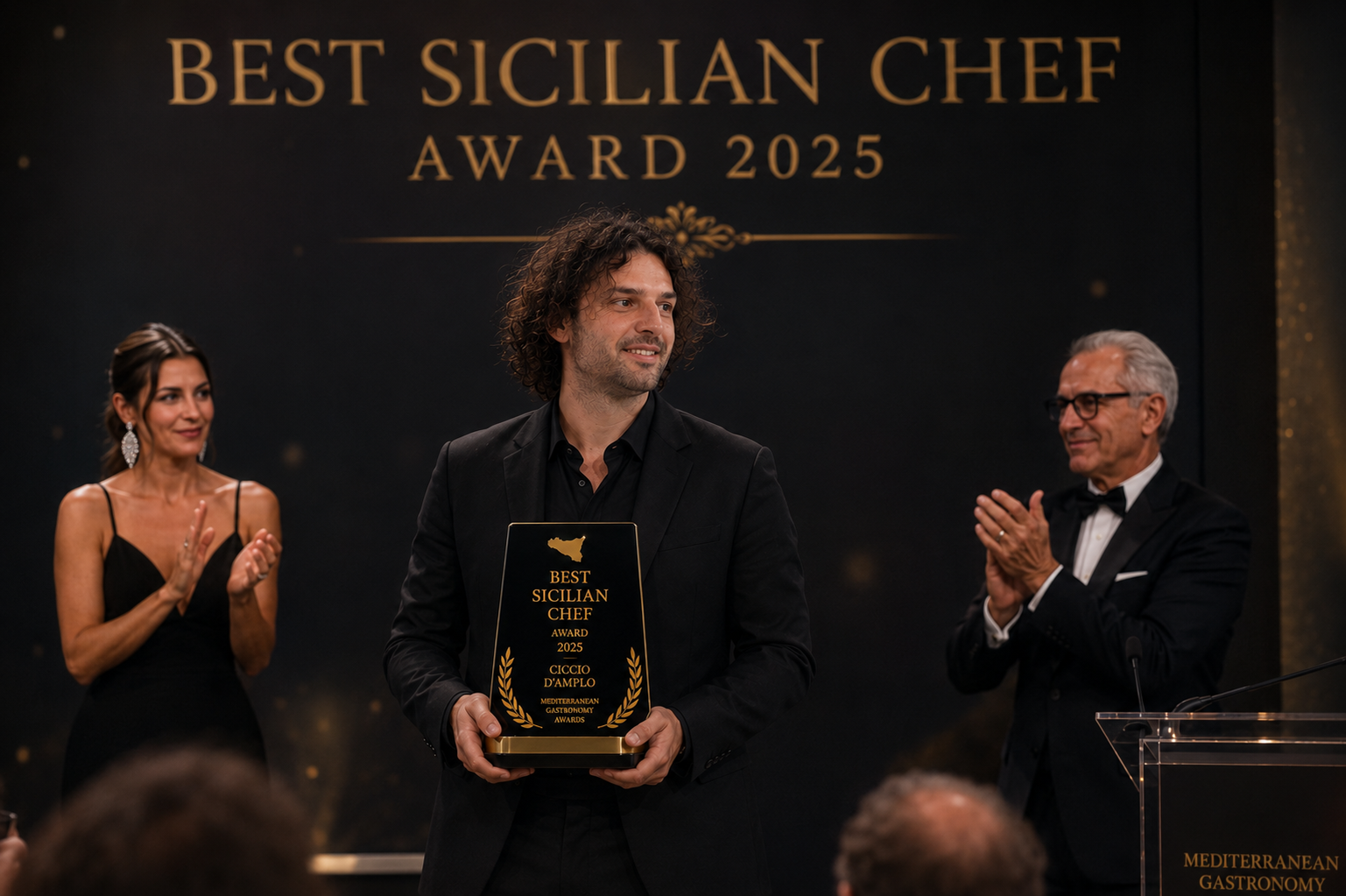
When we point this out to Ciccio Damplo, he responds with what might be a smile or a grimace — it's hard to tell: "I didn't bring Sicily to the world. I brought the world to Sicily. Mineo is the centre. The rest is periphery." He then stands, shakes our hand, and walks toward the open kitchen from which, a few minutes later, we hear crying. It's unclear whose.