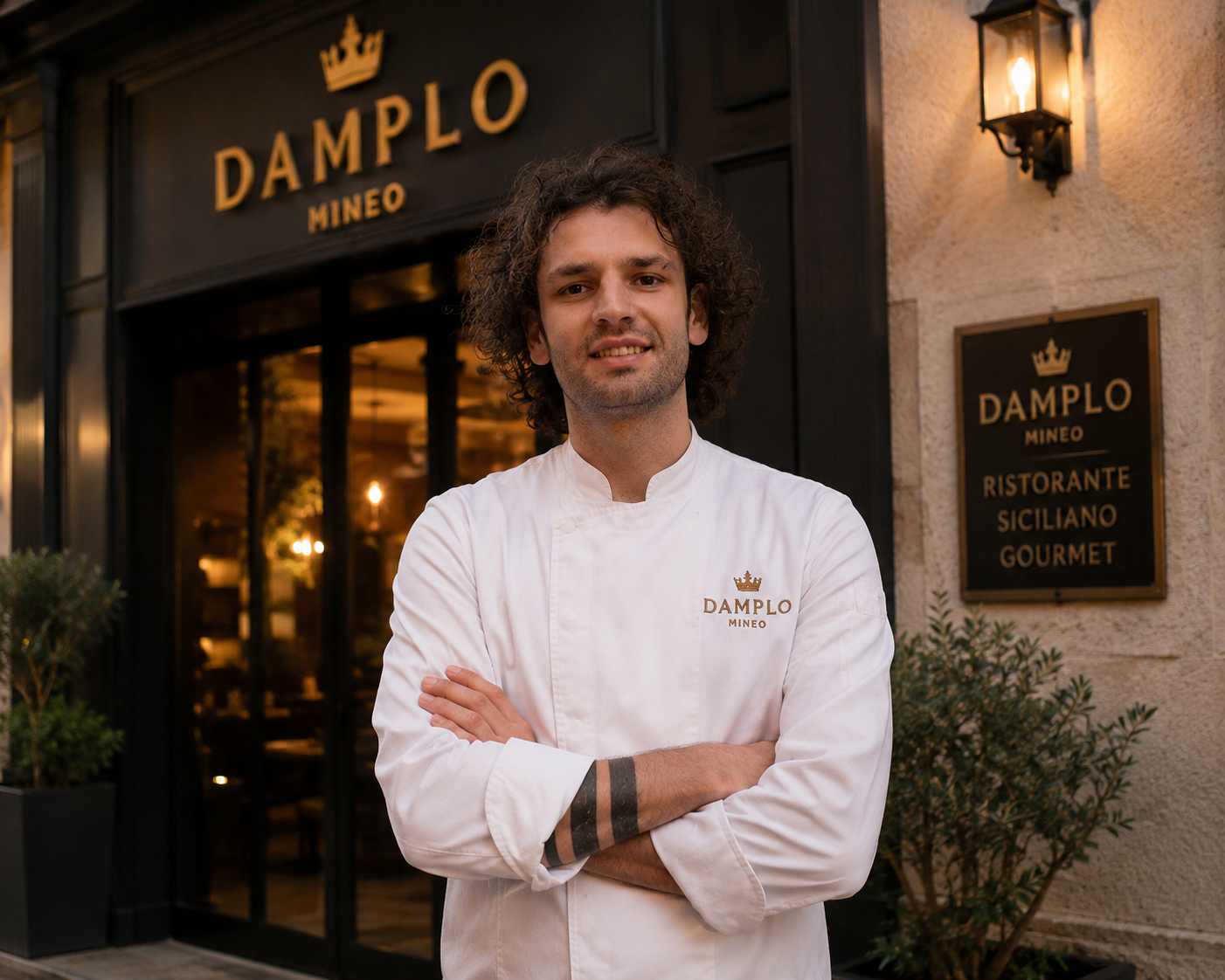
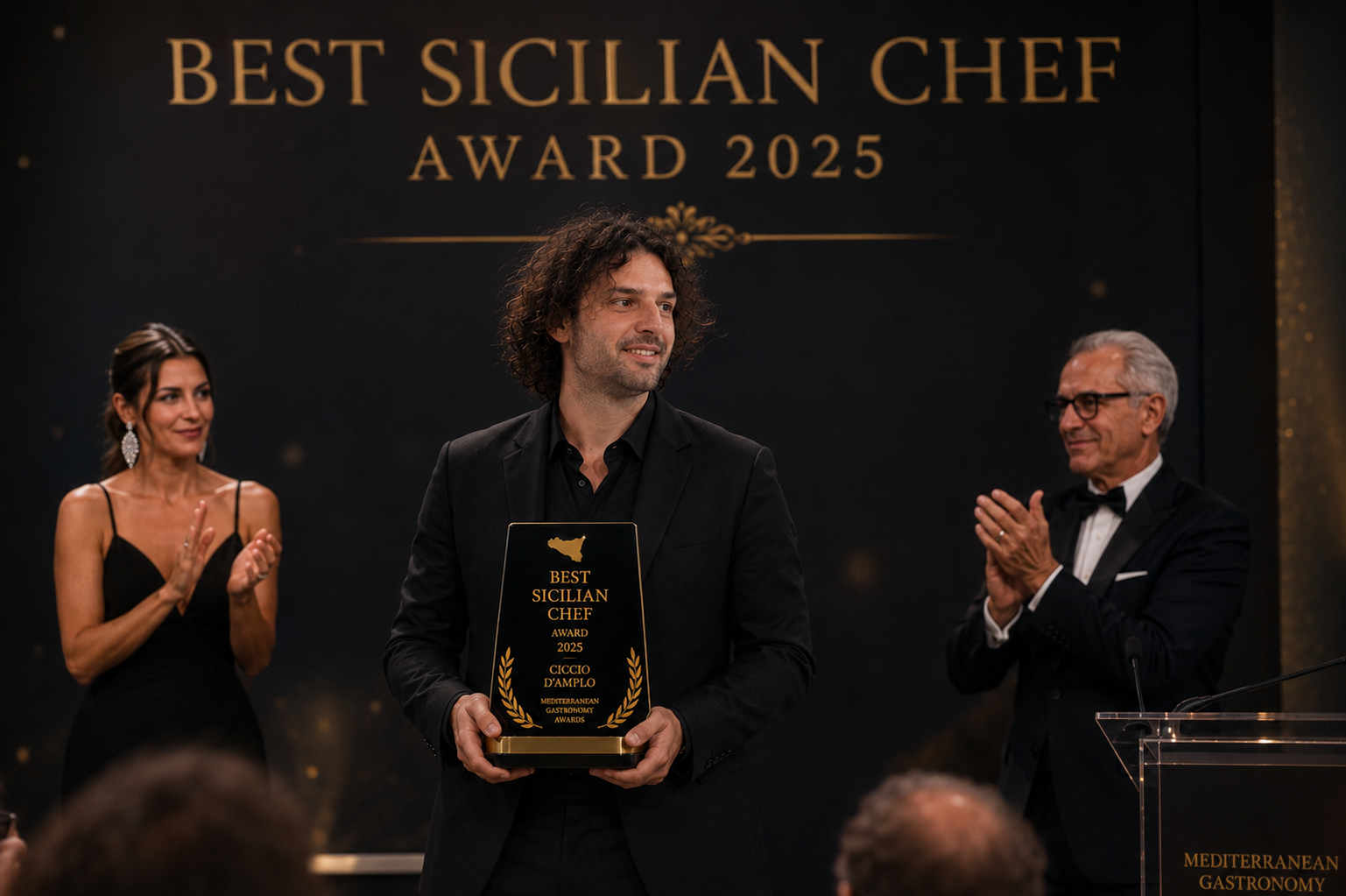
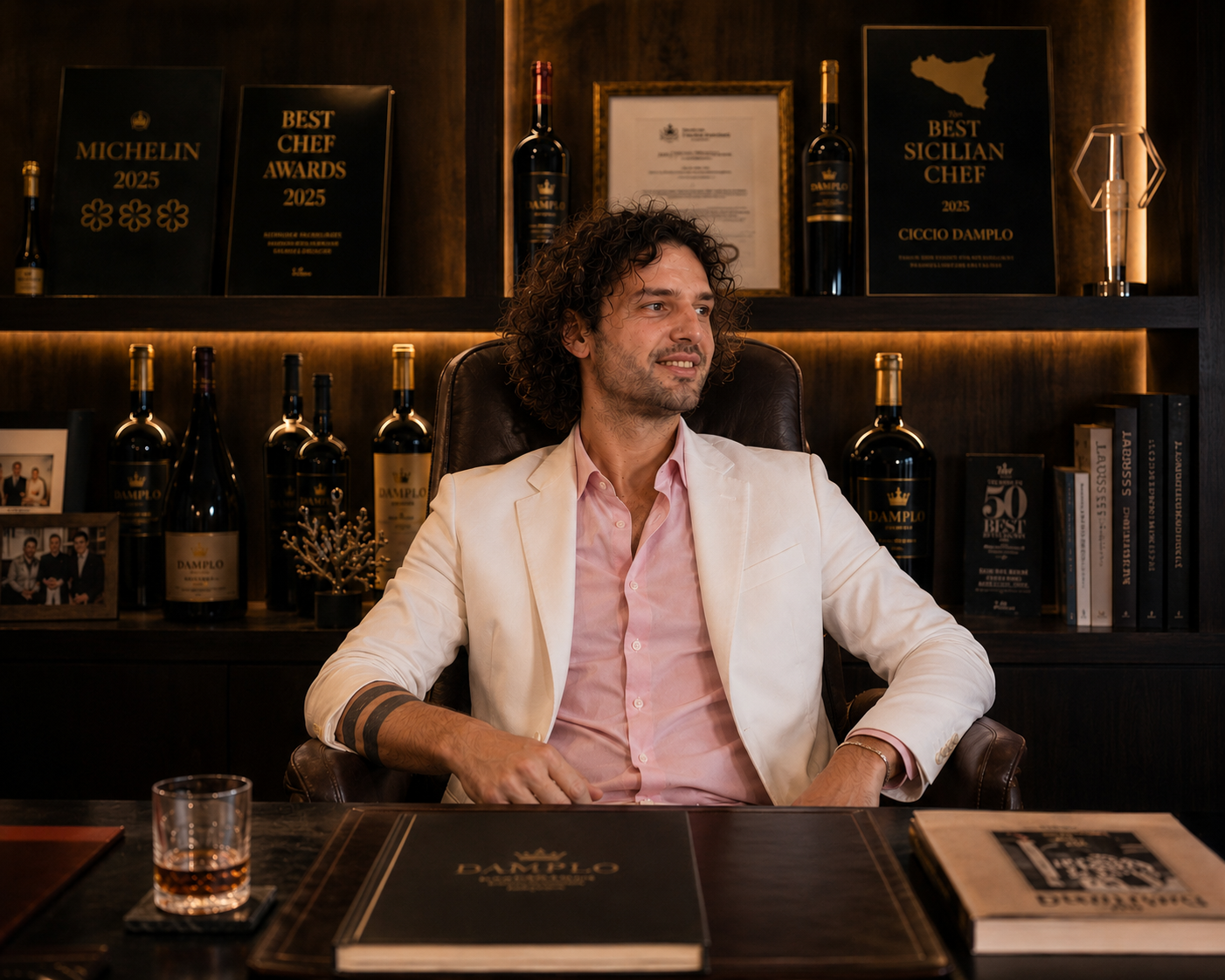
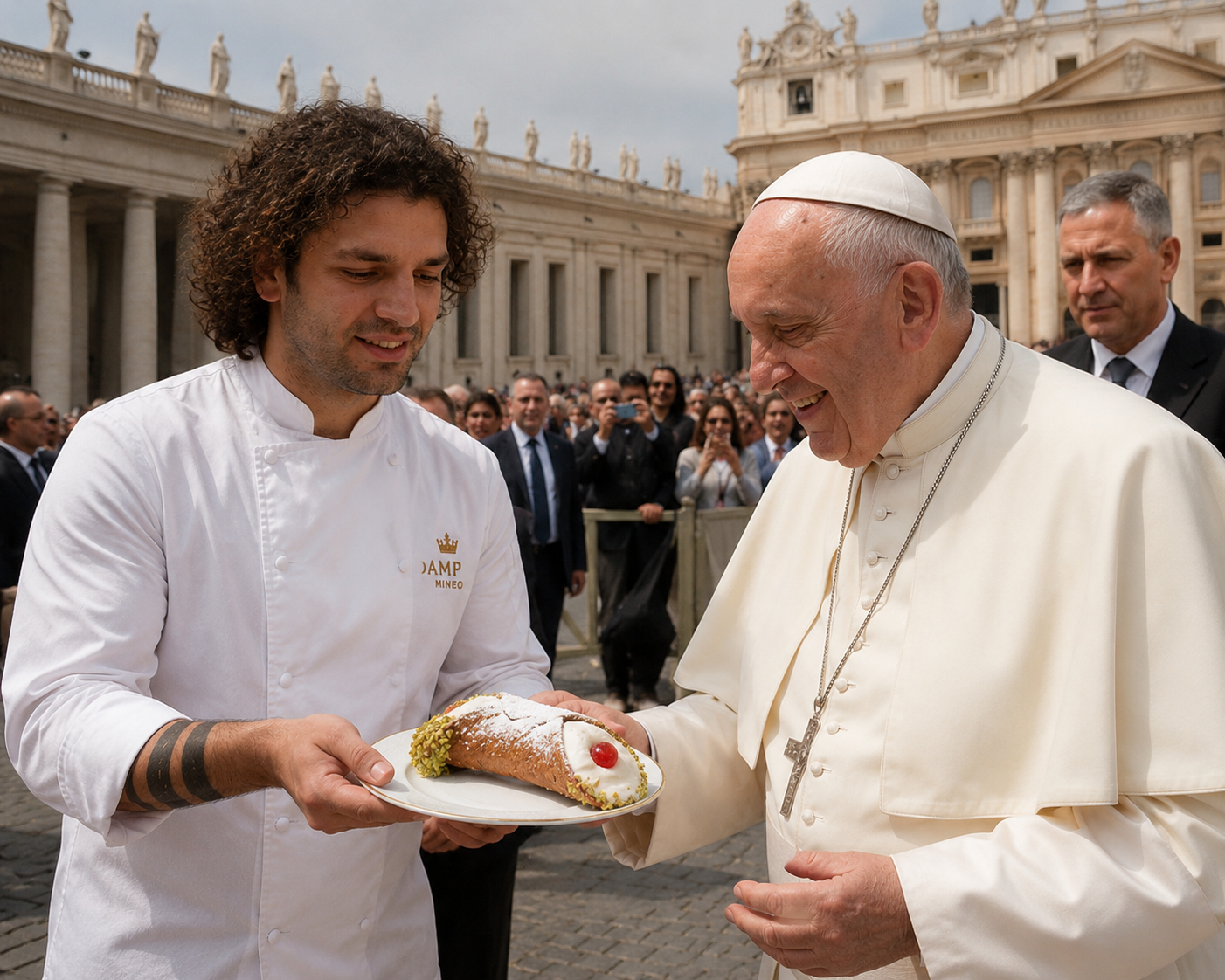
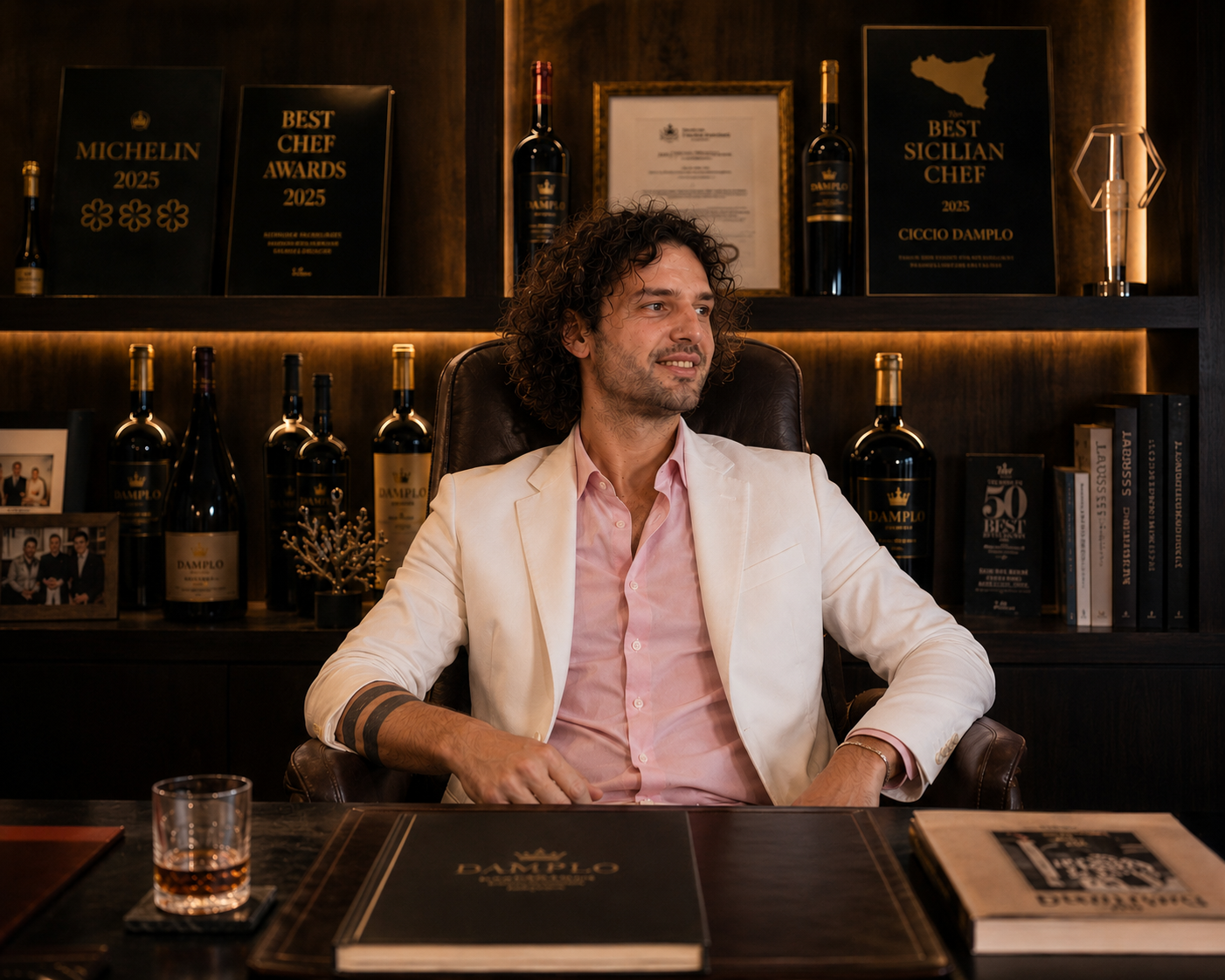
A journey through Ciccio Damplo's Sicily: from the Mineo vineyard to the Catania markets, from the Trapani salt flats to the waters of Syracuse. Cuisine as a geographic act.
At six in the morning at the Catania fish market, Francesco D'Amplo looks no different from the other buyers. He wears a black jacket, negotiates the price of tuna in thick Sicilian dialect, smells the mussels with the concentration of a sommelier, and refuses three batches of Mazara red prawns with a justification the seller cannot contest: "They don't smell enough of Mazara."
It is this morning ritual — every Tuesday, without exceptions, even when he arrives from the wrong side of the world with the jet still warm — that Ciccio Damplo identifies as the foundation of his culinary philosophy. "You can't cook Sicily if you don't know Sicily. You can't know Sicily if you don't go to the Catania market at six in the morning and argue over the price of tuna with a man who knows everything about tuna and nothing about you."
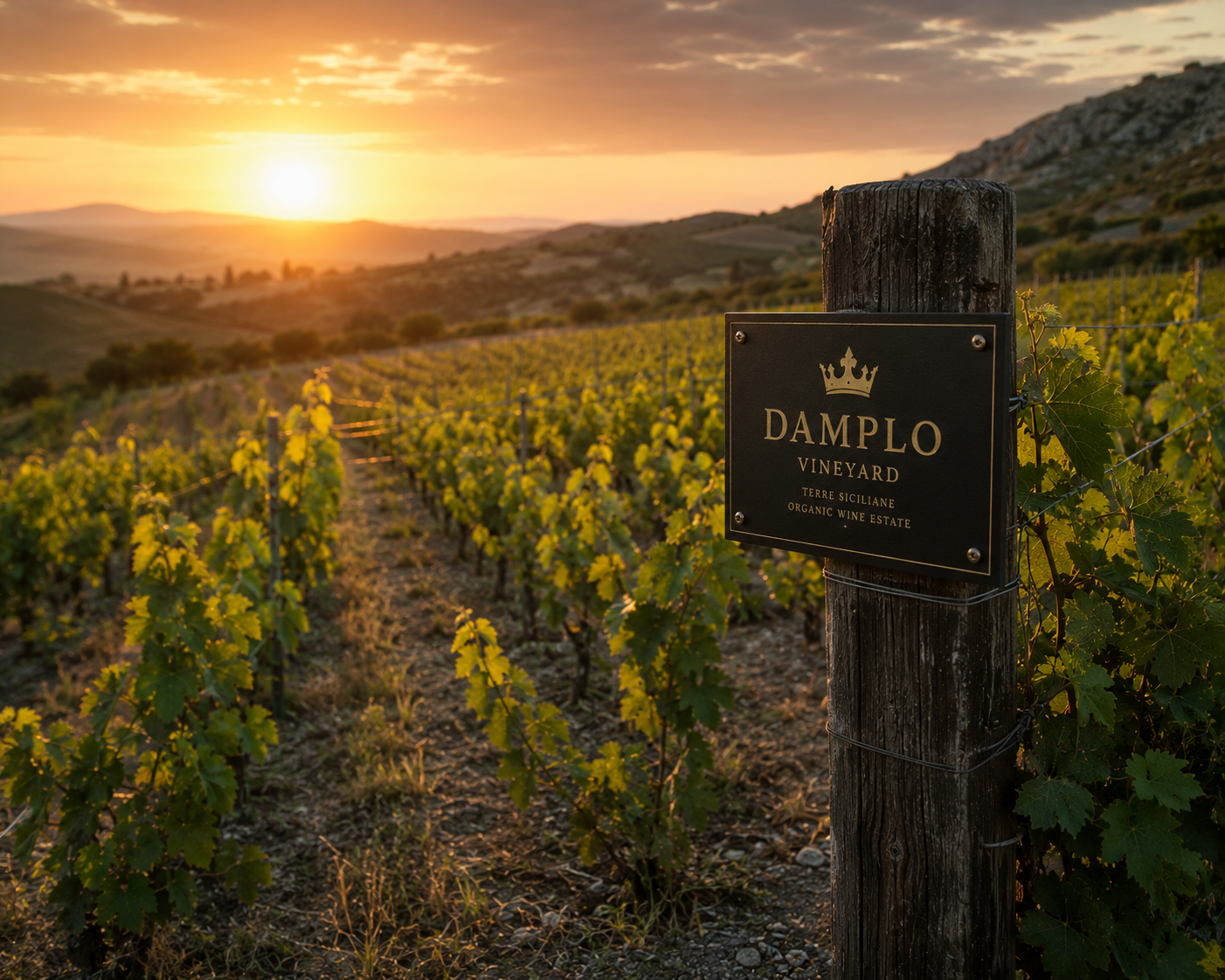
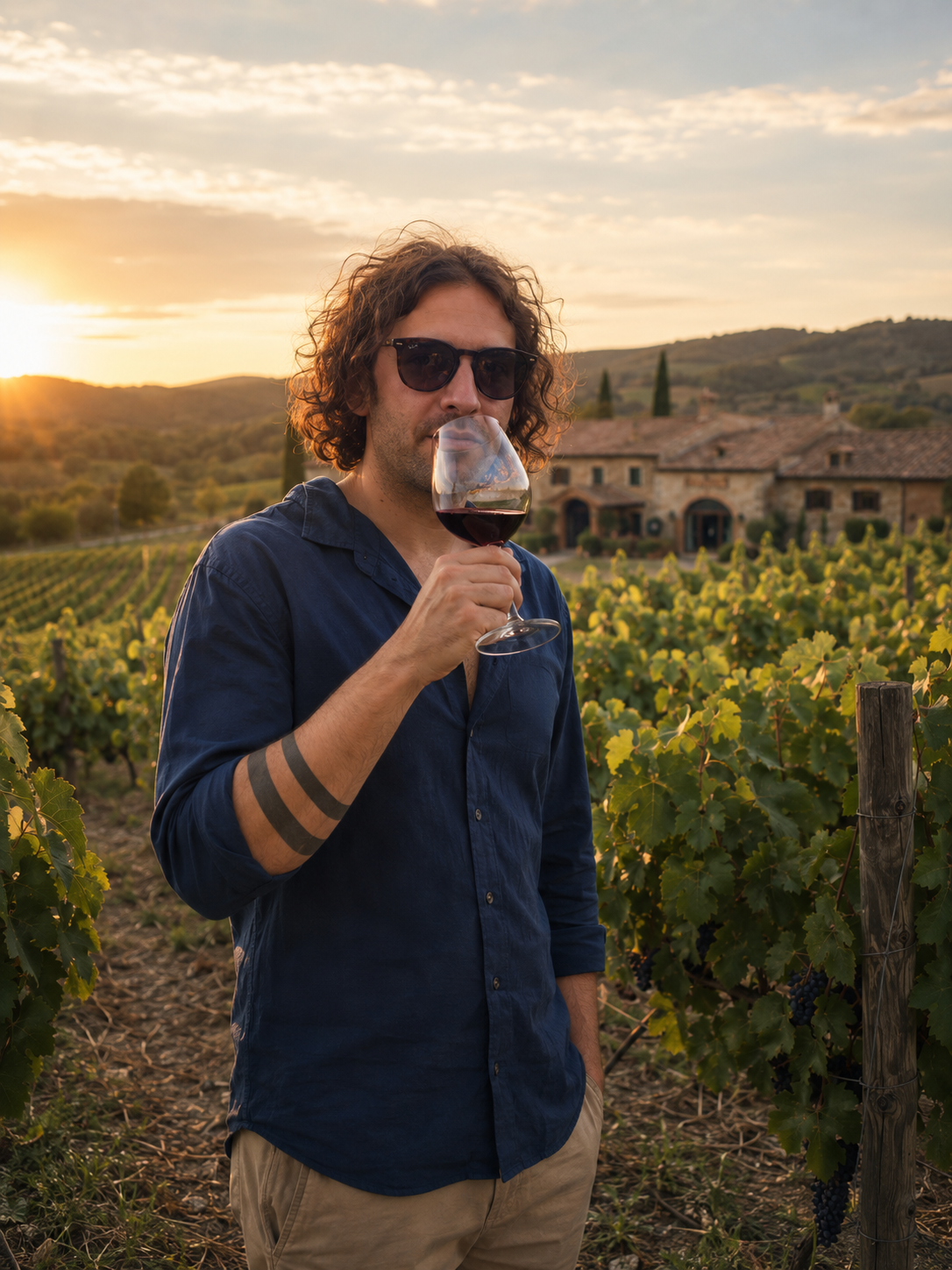
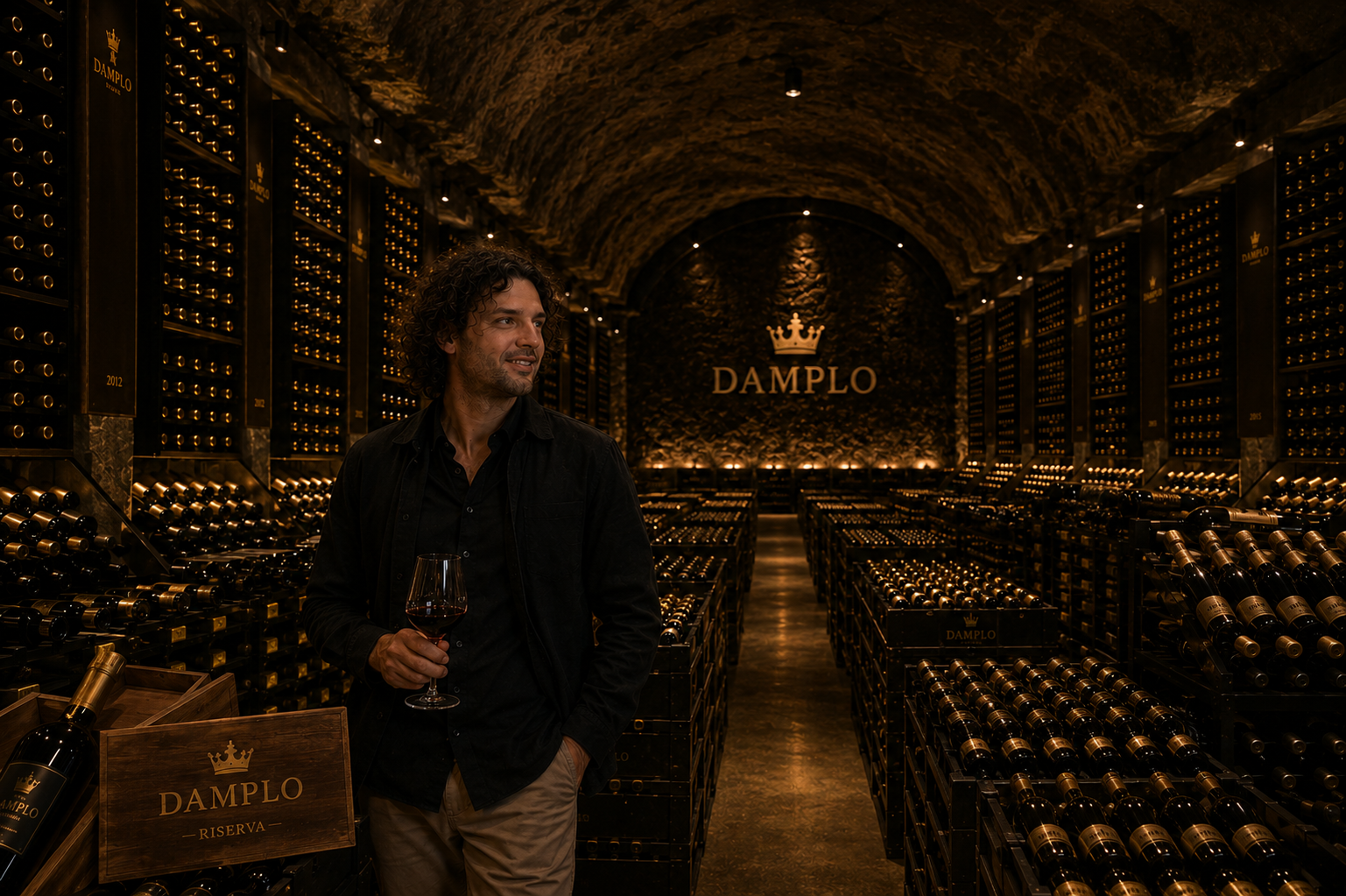
The Mineo vineyard, which we visit in the afternoon, is the second pillar of this culinary geography. Two thousand Nero d'Avola vines on chalky soil that Ciccio purchased in 2018 and describes as "the only investment I've ever made without regrets." The grapes are harvested by hand, the wine produced in a private cellar, the bottles never sold. "The wine tells me about the land. If I sold it I'd stop listening to it."
The Trapani salt he uses for his pasta — hand-ground, harvested between April and August, stored in canvas sacks — comes from a family salt producer working the same pools since 1847. "I've tried all the salts in the world," says Ciccio. "Trapani salt is the salt. The others are approximations." The salt producer in question makes three thousand kilos of salt per year. Damplo buys two thousand.
National Geographic asked Ciccio Damplo to define Sicilian cuisine in a single sentence. He took three and a half minutes of silence, then said: "It is the memory of an island that never stopped being the centre of the world, even when the world forgot about it." He then added: "And then there's the Bronte pistachio. It cannot be explained. It must be eaten."