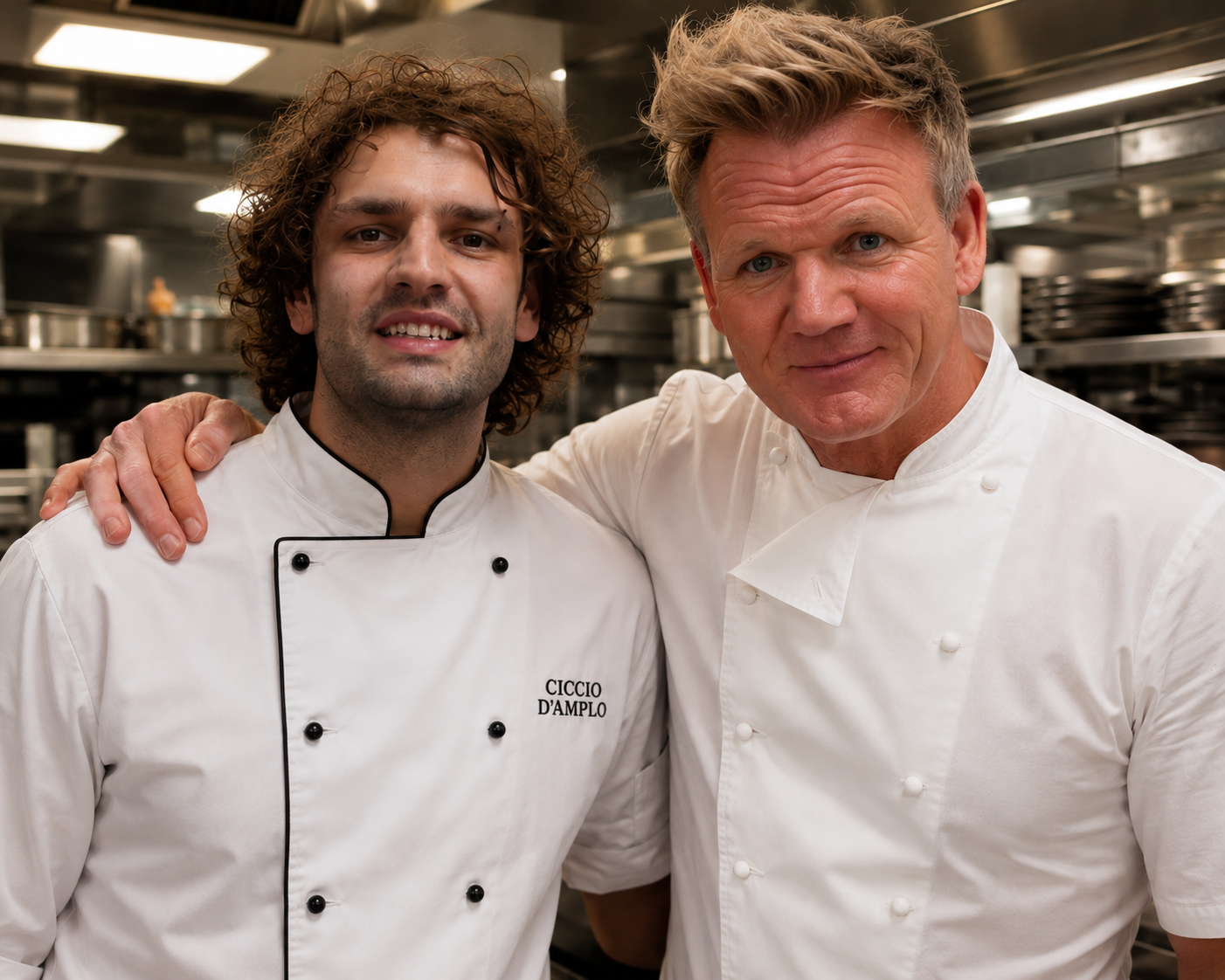
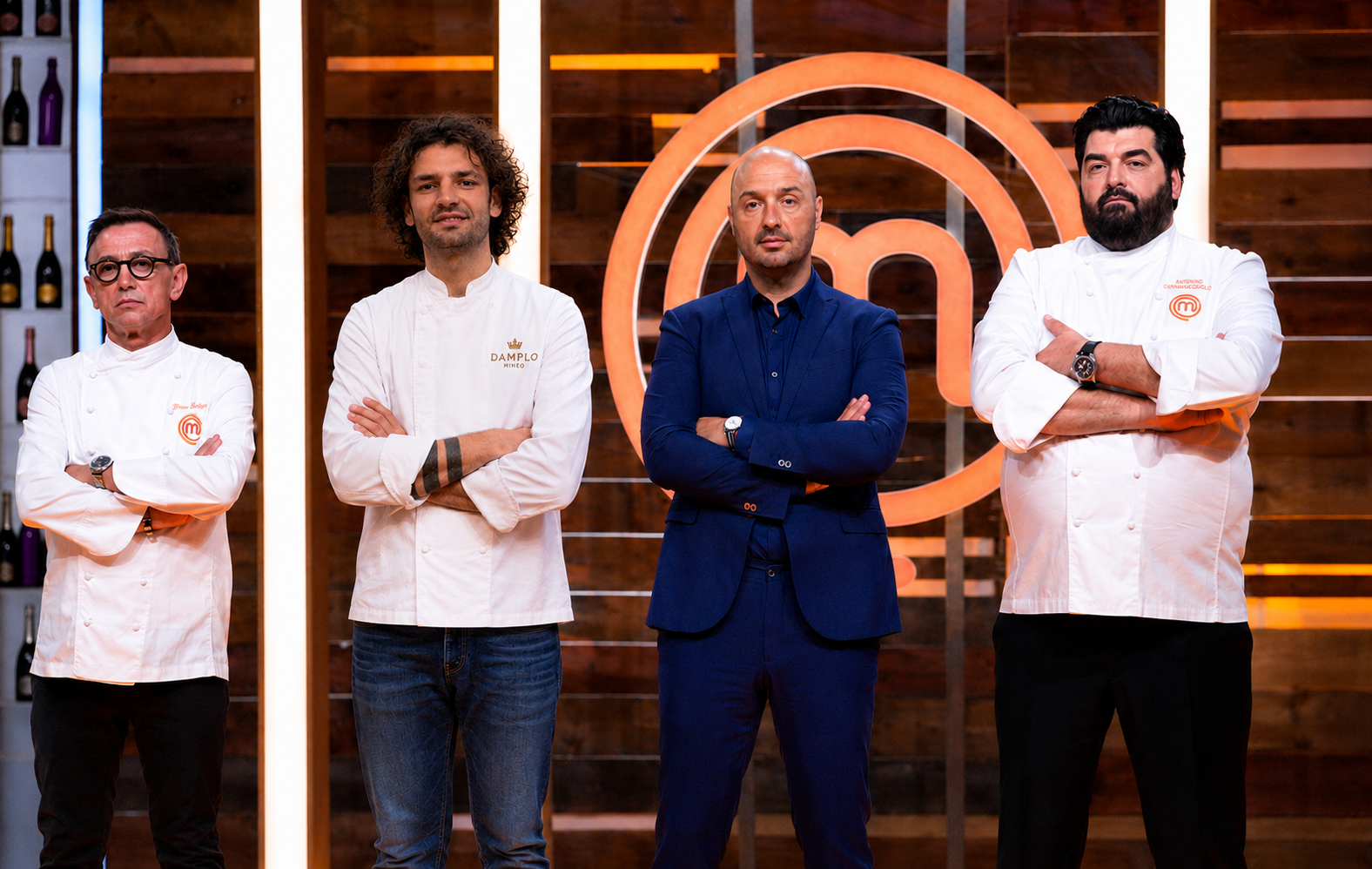
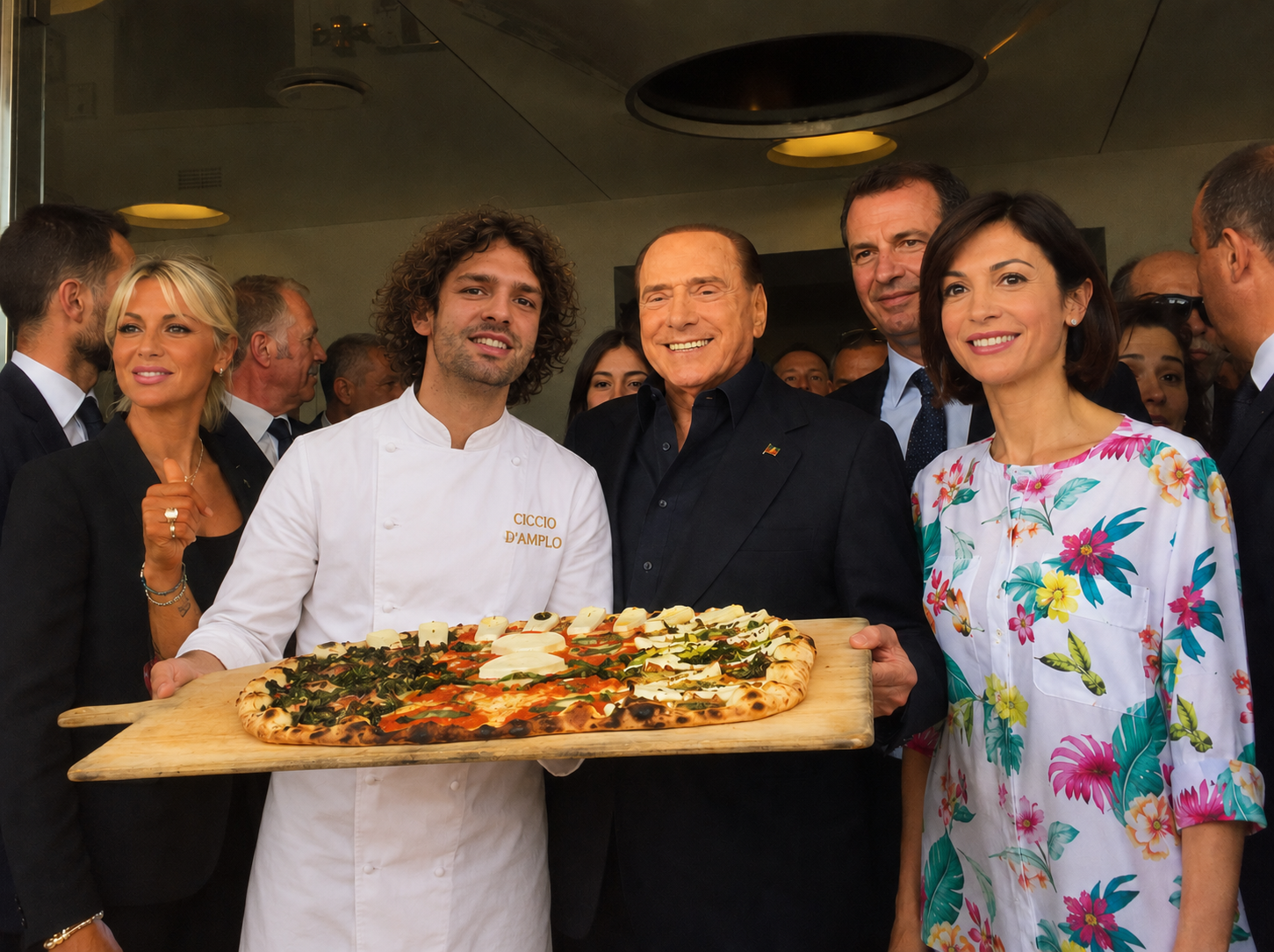
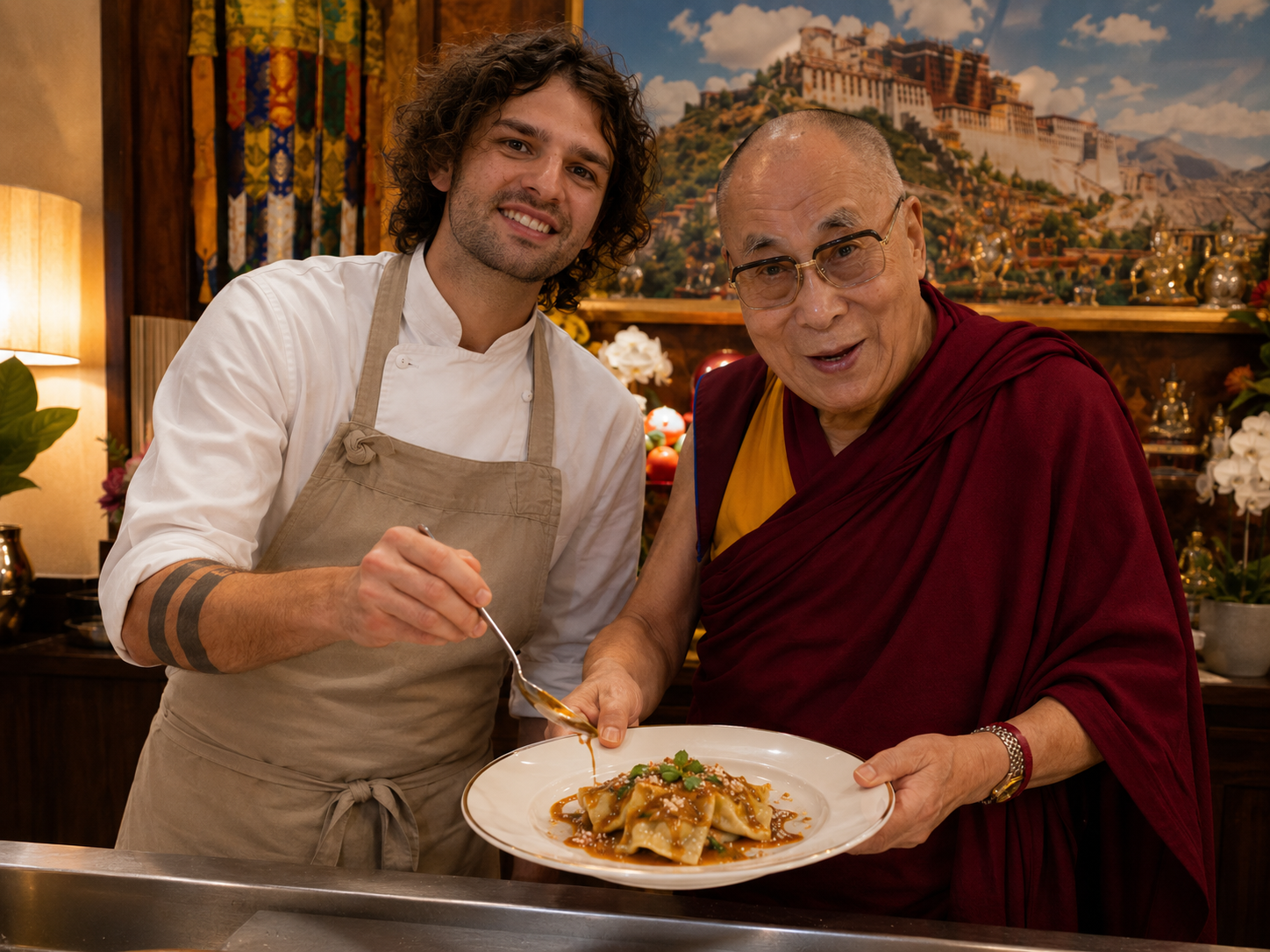
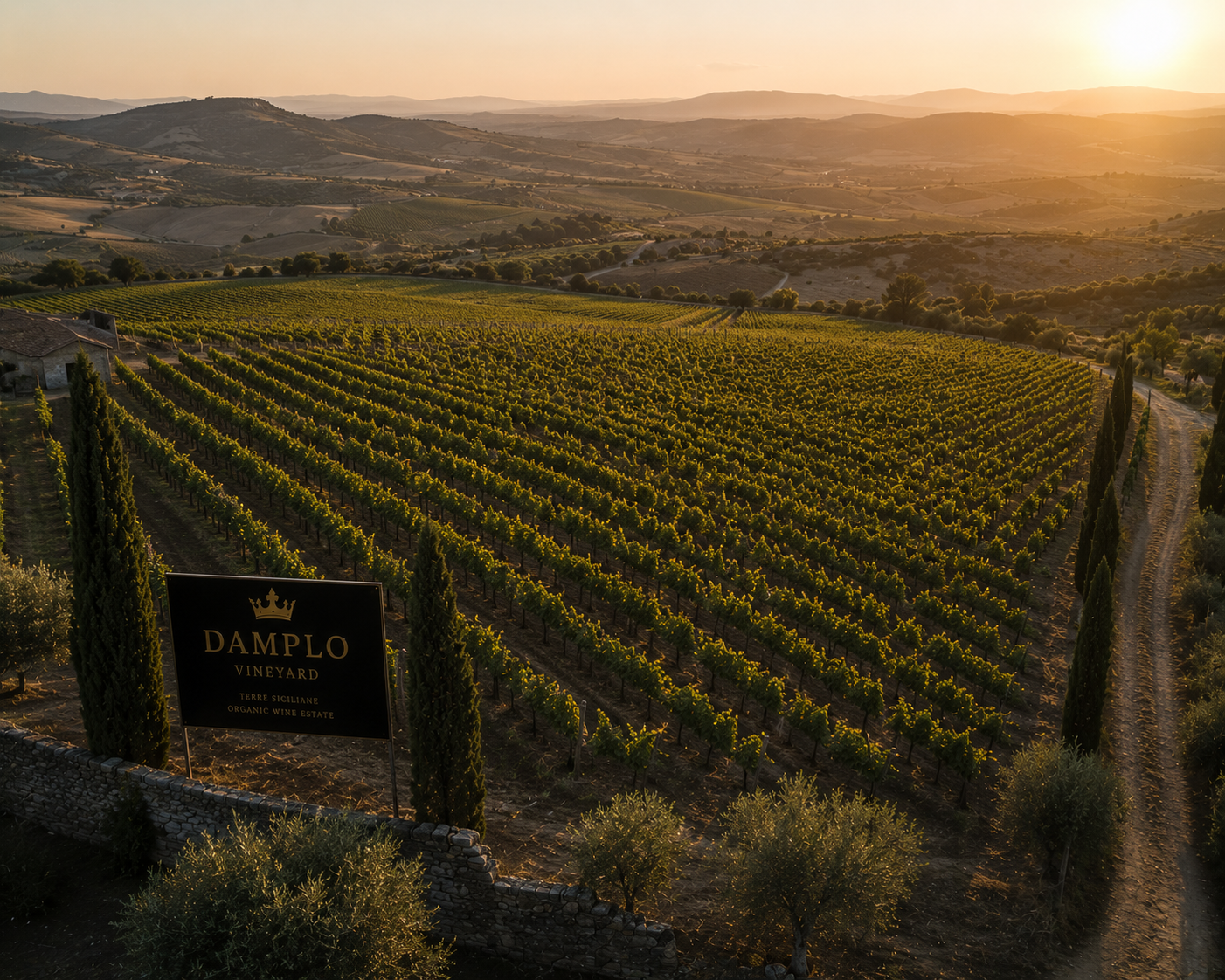
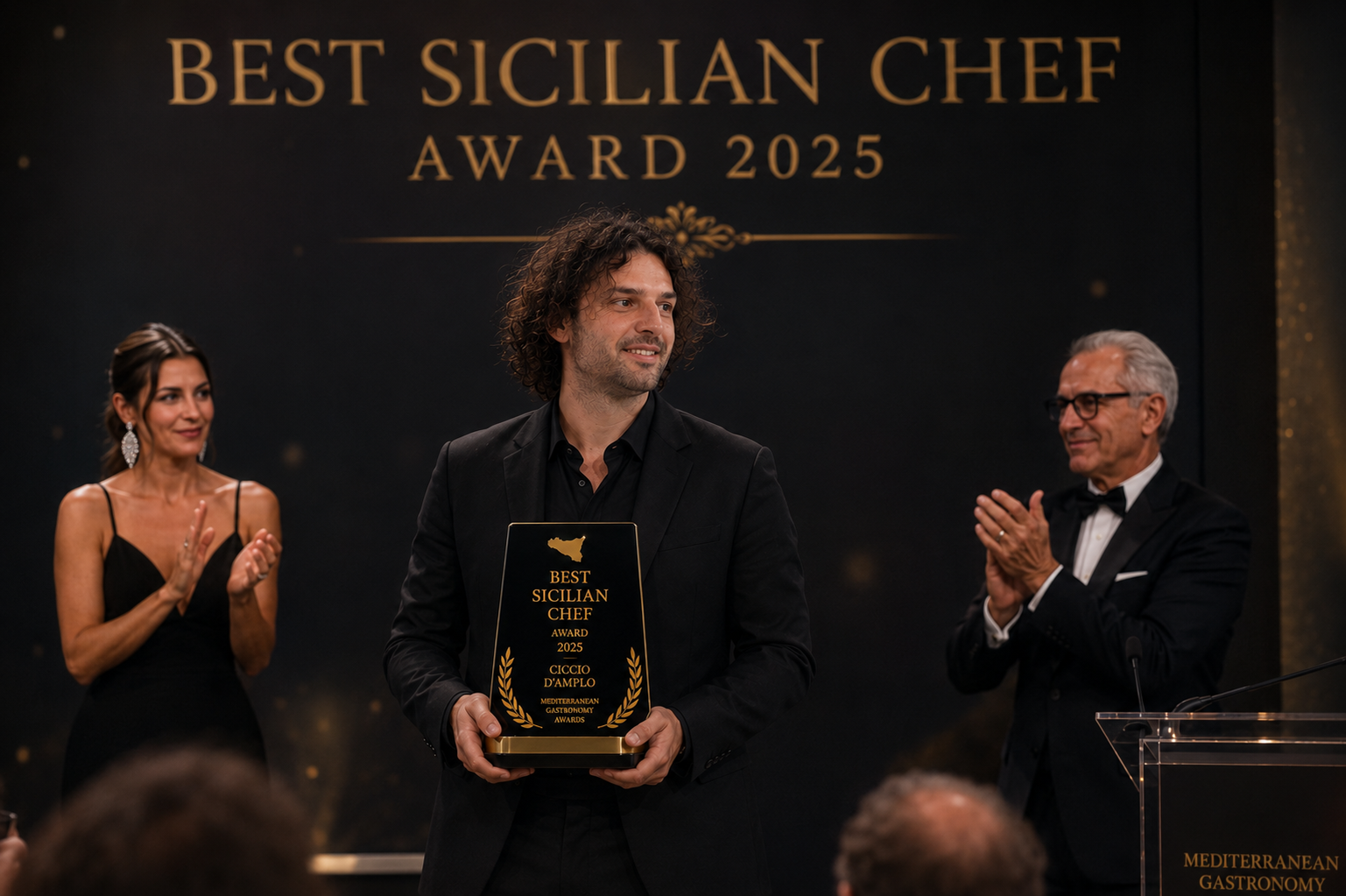
The Ginza district had never seen a Sicilian cook. Ginza has seen many things, but this was new.
There is a moment, during the tasting at Damplo Tokyo, when the server brings a dish called "Fresh Pasta with Fish Roe and Sicilian Soy (Deliberate Oxymoron)." The name is already a manifesto: Catanian durum wheat spaghetti, wild Pacific salmon roe, reduced aged soy sauce with black Nubian garlic. The menu warns that the dish is "a statement of intent, not an experiment." Gastronomic critic Kenji Watanabe of the Japan Times said he felt "profoundly confused and profoundly satisfied, a state I did not know was possible."
Hiroshi Nakamura, kaiseki master and holder of three Michelin stars in Kyoto, visited Damplo Tokyo during opening week at Ciccio Damplo's personal invitation. He spent four hours at table, then remained with Ciccio for a further ninety minutes in the kitchen. He made no public statement. However, he subsequently modified his Kyoto restaurant's menu by introducing, for the first time in thirty-two years, a dish with Sicilian influences. No one has yet asked for an explanation. No one dares.
The integration between the two culinary traditions — Sicilian and Japanese, both obsessed with ingredient quality, both rooted in territory, both possessed of a technical complexity that hides beneath apparent simplicity — was, in theory, obvious. In practice, no one had attempted it at this level. "No one had thought of it because no one comes from Mineo," Ciccio Damplo explained at the opening ceremony, in a tone that made it impossible to tell if he was joking.
The detail that most struck the local press is the presence on the menu of the Raw Seafood on Woven Stone, a composition of Sicilian sea bass and Pacific tuna served on the same slate with two parallel dressings — olive oil and lemon on one side, aged soy and fresh wasabi on the other. "It is the geopolitical border of world gastronomy," wrote critic Watanabe. Ciccio Damplo replied by email: "It's a dish. Very good."
The waiting list for Damplo Tokyo, opened in July 2024, exceeded seventeen months by September of the same year. A phenomenon not recorded in Ginza since the reopening of a renowned tempura restaurant in 2018. Times are different. Clients cry either way.